
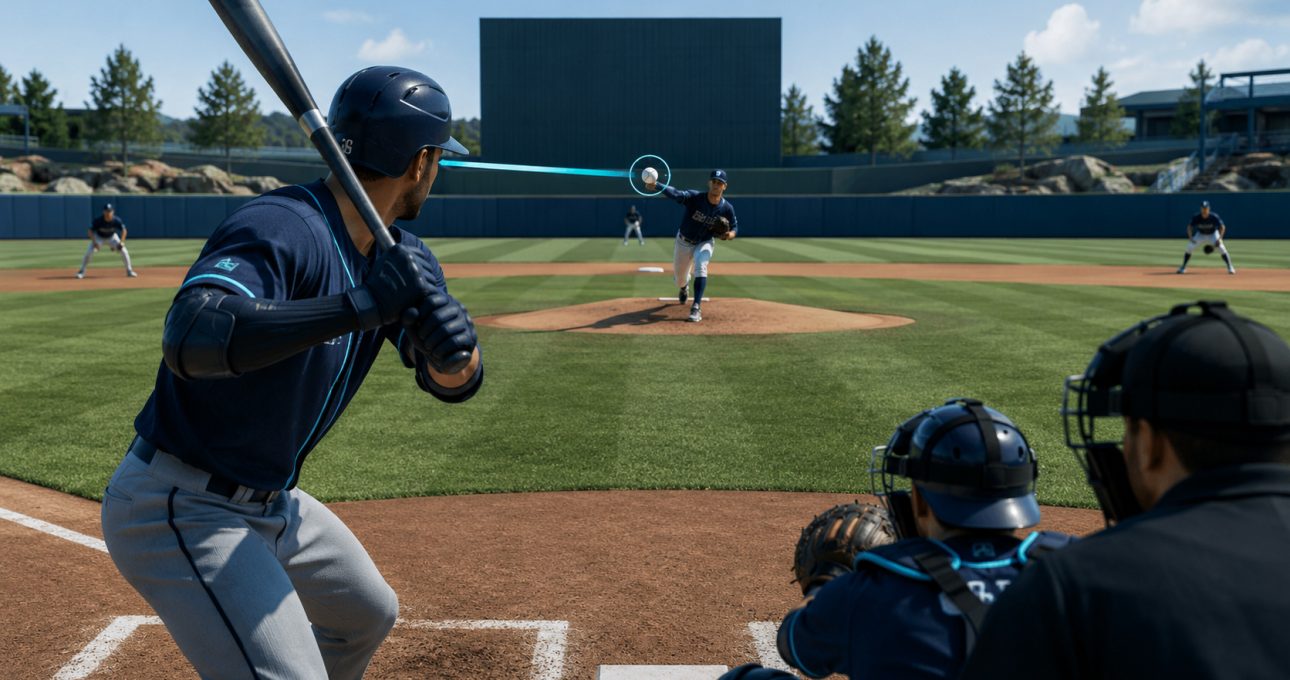
Better Baseball Super League results begin with a repeatable observation point. Watch the delivery from the same place, commit only after you recognize the ball’s approach, and review whether the result was early, late or well timed. On defense, use a simple plan for the next pitch. Between games, strengthen the part of the team that repeatedly costs outs or runs.
The live Baseball Super League overview covers the title family. Exact controls differ between mobile touch play, Android TV remote or gamepad input and Apple devices, so follow the tutorial in your installed edition. These tips improve decisions without pretending that one button map applies everywhere.
Build a batting reference before chasing power
Start with a comfortable attempt and focus on contact. Choose one visual reference during the pitcher’s motion, such as the release area, and keep your attention there. If your eyes jump between the batter, interface and ball, the delivery appears faster because recognition starts late.
After contact, classify the result with one word: early, late, centered or missed. The game may express feedback through direction, quality, animation or another cue. Use what the current build shows rather than relying on a control term from an older version.
Read the delivery in stages
Stage one: recognize release
Do not decide during the wind-up. Wait until the ball is actually presented and establish its initial path. This reduces swings driven only by anticipation.
Stage two: compare the approach
Notice whether the ball appears to stay on the expected line or move away from it. The verified store descriptions do not name a complete pitch catalog, so this guide does not assign unsupported pitch types. The useful skill is recognizing difference from your baseline delivery.
Stage three: commit or take
If the edition allows the choice, not every delivery demands an action. A late emergency swing can teach less than watching the ball finish and refining your reference. Use the game’s count, rules and prompts to decide when patience is appropriate.
Adjust timing in one direction at a time
When several attempts are late, move the decision slightly earlier while preserving where you watch. When they are early, wait a little longer rather than rebuilding the entire approach. Make small adjustments and seek a cluster of similar results.
A single strong hit is encouraging but not yet a stable timing window. Repeat the same observation and commitment pattern. If the next attempts scatter, return to comfortable contact and reduce how many variables you are changing.
Input delay can vary by television settings, controller connection and device. If timing feels consistently different on a TV, enable the television’s appropriate low-latency picture setting when available, confirm the controller connection and rebuild the baseline. Do not copy mobile timing by memory.
Use Quick play as a controlled batting lab
Current mobile and Apple descriptions name Quick mode, and the Android TV listing describes Quick games. Use the shortest suitable format to verify input and focus on one batting target. A full game introduces pitching, fielding, score and roster decisions that can obscure the specific timing change you are testing.
Set a modest goal, such as making readable contact or reducing clearly mistimed attempts. Once that becomes repeatable, move to a longer format where game situation affects decisions.
Pitch with a purpose for the next outcome
Before each delivery, decide what kind of result you are trying to encourage within the options your edition provides. Avoid repeating the same choice automatically when the batter’s responses suggest it is being read. Variation is useful only when it remains controllable; random selection can create as many problems for the pitcher as for the hitter.
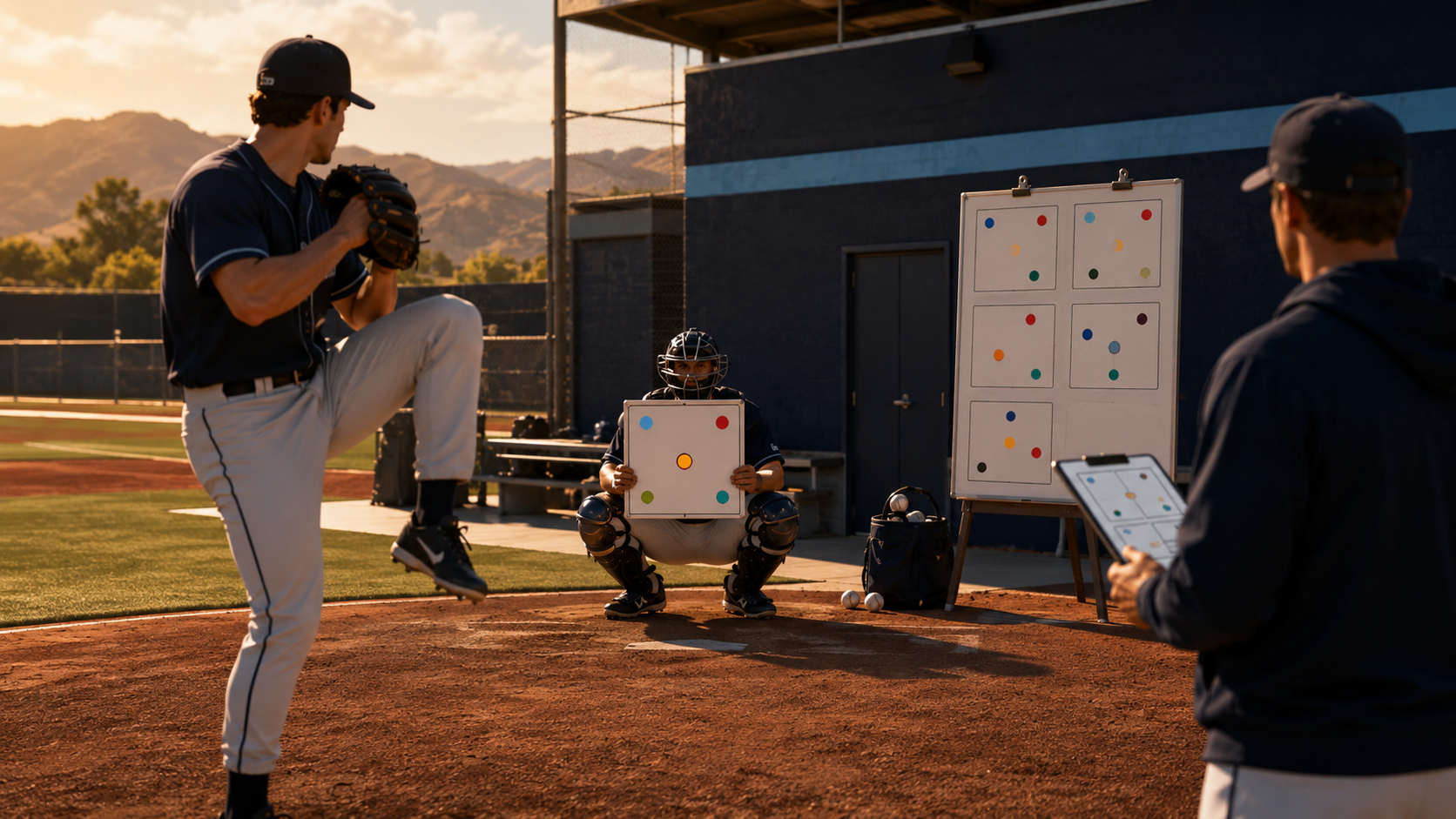
Use the game’s feedback after contact. If the same approach repeatedly produces a strong result, change one element available in the current controls. If it produces weak contact or an out, understand why before abandoning it.
The store listings confirm pitching as a core phase, but they do not publish every mechanic. Exact aim, delivery and selection steps belong to the in-game tutorial.
Reset quickly when play moves to fielding
After contact, shift attention from the pitch result to the active defensive task. Follow the current prompt and prioritize a secure, obvious play before attempting a more ambitious one. The mobile and Apple listings describe fielding touch controls, while Android TV uses its own remote or gamepad context.
If the game changes controlled players or defensive responsibility, use the focus and marker provided by that edition. Public reviews have raised player-change and inning-flow concerns, but these are version-specific reports rather than a universal control rule.
Build the team around recurring evidence
The mobile listing describes city-based customization and star players. Android TV describes drafting, trading and upgrades, while Apple describes team customization. Because the systems are not documented identically, make roster decisions inside the current edition and avoid assuming the same currencies or options.

Review several games and identify the recurring weakness. If scoring opportunities end because contact is inconsistent, a roster change alone may not solve a timing problem. If defense or pitching remains the clear limit after execution improves, prioritize the available player or upgrade that addresses that role.
Do not spend simply because a new option appears. Check cost, permanence and any subscription or in-app purchase terms. Progression is more useful when it supports a plan rather than replacing one.
Prepare differently for a tournament
A tournament values repeatability across games. Enter with a batting reference you can recover, a small set of controllable pitching decisions and a clear roster priority. Avoid introducing several new techniques in the first important matchup.
Between games, review one offensive and one defensive observation. That keeps the adjustment list short enough to apply. If the edition includes global leagues or leaderboards, treat rank as an outcome of stable decisions, not a reason to abandon them after one loss.
Diagnose a slump by layer
First check setup: device, input connection, television latency settings and current version. Next check recognition: are you watching release consistently? Then check timing: are misses mostly early or late? Finally check team context: is the lineup creating or wasting opportunities?
This order prevents an expensive roster response to a control problem or a timing overhaul when the controller is disconnected. When reporting a technical issue, include package, version, device and a repeatable sequence.
Gameplay questions
How can I stop swinging late?
Fix your attention on the release area, classify several results and move the commitment slightly earlier. Keep the change small and preserve the same visual reference so you can tell whether it worked.
Should I practice in Full mode?
Use Quick play first when available because it lowers the cost of testing input and timing. Move into Full mode when you can recover your batting reference while also handling pitching, fielding and game situation.
Are the television controls identical to mobile touch controls?
No. Google maintains separate mobile and Android TV packages, and Apple supports several device types. Follow the exact prompts for your installed edition and rebuild timing when the input or screen changes.
What is the best first team upgrade?
There is no verified universal answer. Review multiple games, identify the role that repeatedly limits results, then compare the available option, cost and terms in your edition. Do not use a roster purchase to mask an execution problem.
Practice one decision at a time
Open Baseball Super League, choose the first-party edition for your device and use a short game to establish a batting reference. Add pitching, fielding and roster adjustments only after the first cue becomes repeatable.