
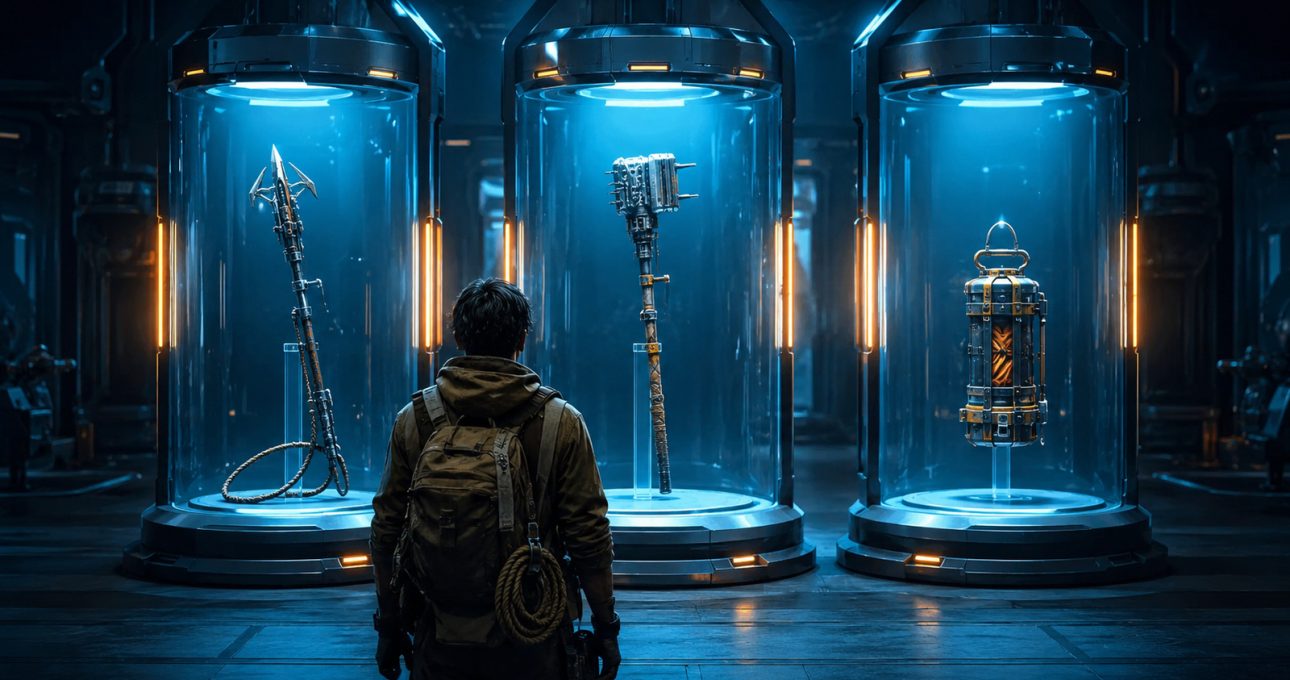
To survive longer in Zombieland, first turn the installed edition into a readable set of decisions: identify each visible weapon property, learn what consumes a resource, preserve space around the player and review the exact cause of every failed encounter. The GameBee product identity is verified, but a canonical store build and its weapon list are not.
The method below avoids pretending that every edition has the same gun, ammunition, reload, upgrade or control system. It shows how to extract a reliable strategy from the tutorial, interface and results that the player can actually see.
Inventory the facts before ranking equipment
Open the loadout, tutorial or selection screen and record the exact labels available. Useful fields may include range, timing, capacity, effect, cost or upgrade state, but only fields displayed by the game should enter the guide. A thumbnail alone does not establish performance.
Choose a simple comparison encounter and change one option. Note the number and type of actions needed, the distance at which the option remains usable and any visible recovery delay. This creates an evidence-based role without claiming a universal best weapon.
Give every weapon a job defined by the build
A practical role answers one question: when does this option solve a problem better than the alternatives shown? One may support distance, another may help when several threats are close, and another may conserve a displayed resource. These are hypotheses until repeated play confirms them.
Avoid importing conventional categories when the game does not use them. Describe the observed behavior and the situation instead. Clear task language helps the player make a choice even if a later version changes the name, balance or visual design.
Manage ammunition or energy only when it exists
If the interface shows ammunition, charges, cooldown, durability or another limiting resource, learn the refill condition before spending it freely. Test whether the resource resets between encounters, depends on pickups, recovers with time or changes through progression.
If no such limiter is visible, do not invent one. Resource management may instead mean health, space, time or exposure to danger. The survival plan should follow the actual loss condition, not a genre habit.
Create distance before chasing damage
Fast combat becomes more manageable when the player preserves an exit route. Use the edge of the visible play area, obstacles and open lanes only as the installed map supports them. Avoid backing into an unexplored corner while focusing on one target.
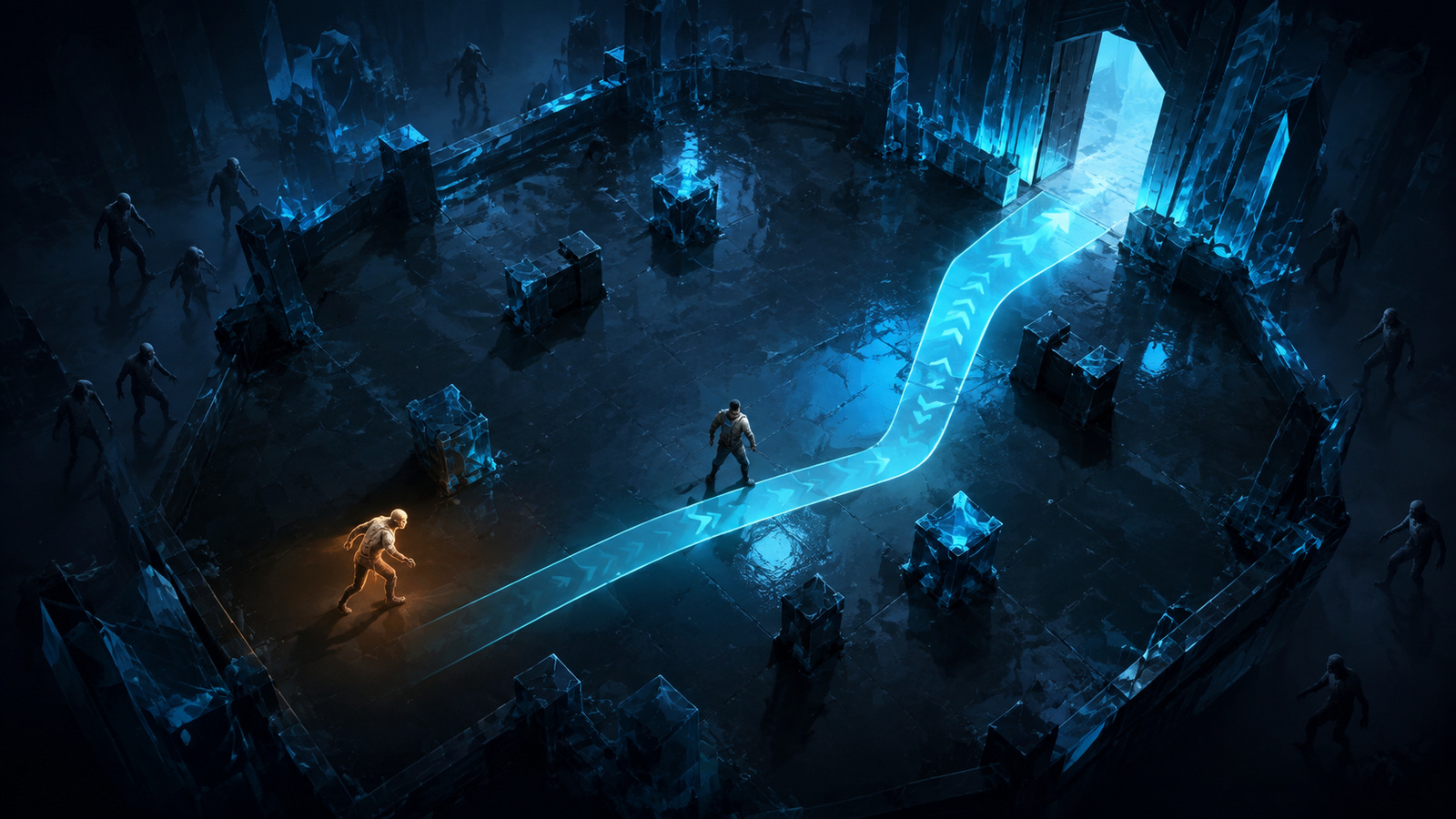
If threats enter from several directions, move toward the clearest space and re-establish the objective before acting again. Survival time often improves when the player reduces simultaneous decisions rather than trying to maximize every attack.
Prioritize the threat that changes your options
The most important target is not always the nearest. Watch for the enemy, hazard or objective state that removes space, interrupts an action or creates an immediate failure. The exact threat types are edition-specific, so define priority by visible consequence.
After an encounter, ask which event caused the decision tree to collapse. If the player lost room to move, practise positioning. If an action was unavailable, test its timing or resource. If the goal was unclear, slow down and reread the prompt.
Tune mobile controls with a repeatable test
Use one short route or encounter to evaluate control changes. Check whether the thumb obscures action, whether the camera or aim continues while moving and whether lifting a finger creates an unintended command. If the build offers settings, adjust only one value.
Keep the device and grip consistent while testing. A setting that feels quick in an empty tutorial may become unstable under pressure. Choose the lowest change that fixes the observed problem, then verify it during a complete encounter.
Spend progression resources after finding the bottleneck
If the confirmed edition contains upgrades or unlocks, do not spend merely because an item is available. Identify whether the current failures come from insufficient effect, poor control, depleted resources or bad positioning. A purchase cannot correct a route the player has not learned.
Record the pre-upgrade state, the exact cost or condition shown and the measurable change afterward. This distinguishes permanent progression from a temporary bonus and makes the advice resilient when balance changes.
Use a three-run survival drill
Run one is observation: follow the tutorial and record the failure condition. Run two focuses on spacing and a single equipment role. Run three repeats the same approach with one control or timing adjustment. Compare the moments at which the run became harder.
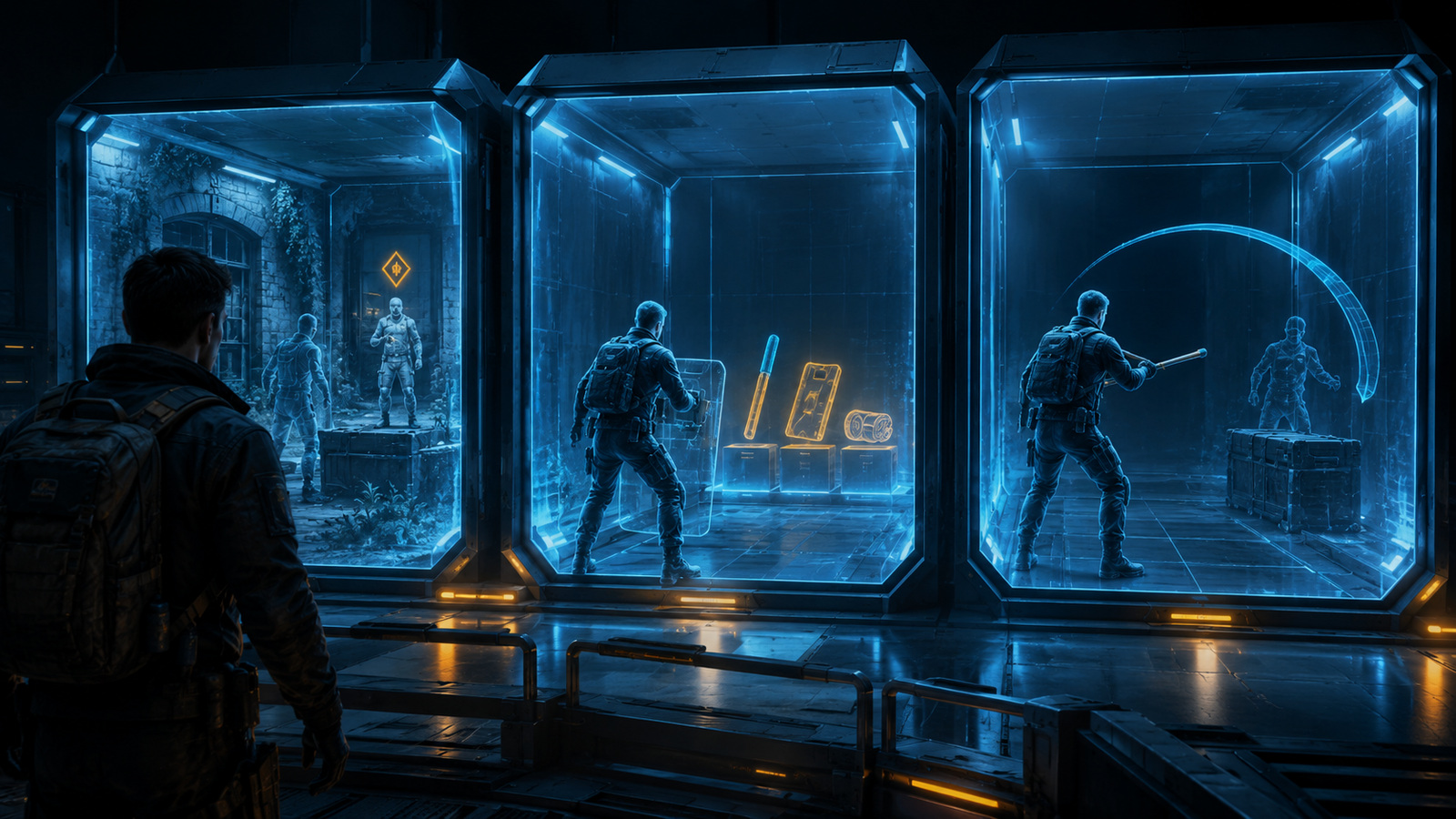
Then return through the verified Zombieland product page when an exact edition link is available. Update the notes if the displayed version, controls or progression screen changes; advice belongs to a dated build.
Read the evidence-led Zombieland design record to understand the mobile control and platform checks behind the method.
Questions about weapons and survival decisions
What is the best weapon in Zombieland?
No canonical weapon list or balance table is verified for P27. Compare the visible properties in one repeatable encounter and choose the option that solves the current task.
Should I save ammunition for later?
Only if the installed edition shows ammunition or another limited resource and explains how it refills. If it does not, manage the real constraint shown on screen.
When should I buy an upgrade?
After identifying a repeated bottleneck and confirming the upgrade is permanent, affordable and relevant to it. Record the before-and-after result rather than relying on the label.
How can I survive when the screen becomes crowded?
Move toward the clearest space, preserve an exit route and prioritize the threat that removes your options. Use the consequences visible in your edition to set that priority.