

The safest way to improve in Shark Attack is to read the installed edition before copying a tactic: identify the current objective, learn how movement and depth interact, and use the failure or results screen to decide what to change next. GameBee confirms the Shark Attack product identity, but the public source set does not yet verify one exact store build or universal control layout.
This guide is therefore designed to work with player-visible evidence. It gives a repeatable hunting and survival method without inventing buttons, resources, weapons, shark types, currencies or upgrade paths that may not exist in the edition on screen.
Read the objective before chasing anything
Begin each run by locating the goal text, marker or tutorial instruction. A target on screen may be prey, a hazard, scenery or part of a later objective. Acting before the game identifies the task makes it difficult to tell whether a failed approach came from movement, timing or simply pursuing the wrong thing.
Translate the visible objective into one short sentence: reach a location, catch a target, survive a period or complete another displayed condition. If the wording changes during play, pause long enough to notice the transition. Good tactics serve the current rule, not the general theme.
Calibrate heading, camera and depth separately
Underwater navigation becomes manageable when three actions are tested in isolation. First, move forward toward a fixed landmark. Second, turn without changing depth and observe the camera. Third, rise or descend while keeping the landmark near the center. Repeat until the visual response is predictable.
If the settings offer sensitivity, inversion or camera assistance, change only one option at a time and repeat the same route. A dramatic adjustment can hide the cause of an error. The goal is not maximum speed; it is a control relationship the player can reproduce when the screen becomes busy.
Approach from a readable angle
A direct rush can push the target outside the useful camera view. Instead, establish the target’s direction, align from farther away and make the final correction after the silhouette is stable. If the game provides a marker, compare the marker with the actual model rather than following one blindly.
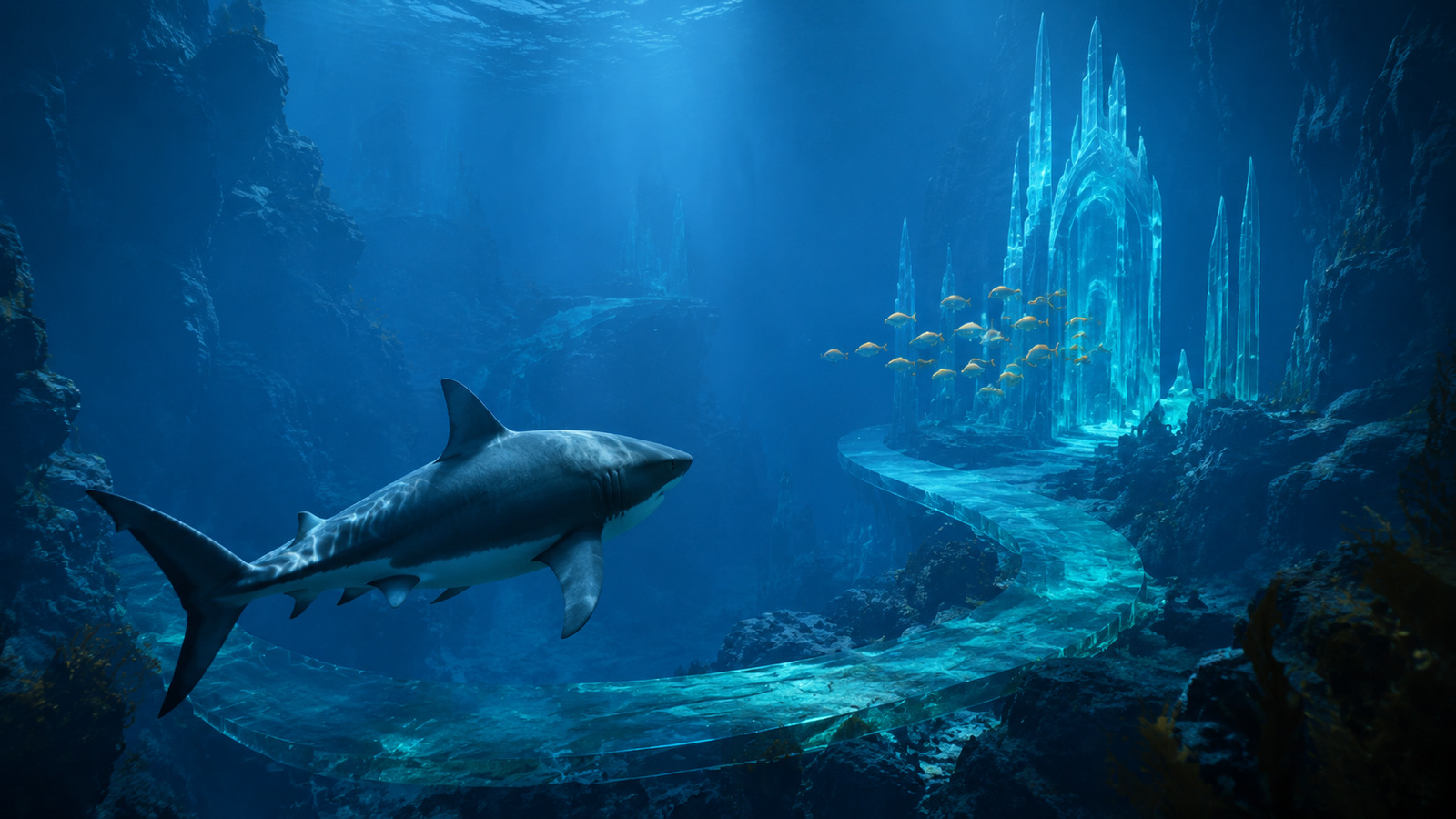
When an attempt fails, name the cause precisely: overshot horizontally, changed depth too late, lost the target behind the camera or misunderstood the success cue. One precise diagnosis produces a useful next attempt. A vague conclusion such as controls are bad does not reveal what can be adapted.
Treat survival resources as edition-specific
Only manage a health, hunger, stamina, oxygen or threat resource if the installed build actually displays it or explains it. Record what raises or lowers the value and whether depletion ends the run, limits an action or merely changes feedback. Similar survival games are not evidence for Shark Attack.
If several signals compete for attention, use a priority order based on the visible failure rule. Protect the resource tied to an immediate loss, maintain orientation, then pursue the objective. If no resource meter appears, focus on the explicit goal and collision or danger feedback rather than inventing hidden systems.
Build a short hunt-survive-review loop
Choose one skill for a run: keeping the target centered, controlling depth through a turn or recognizing the success signal. Make a small number of deliberate attempts and review the end state. Changing movement, route and settings simultaneously makes improvement impossible to attribute.
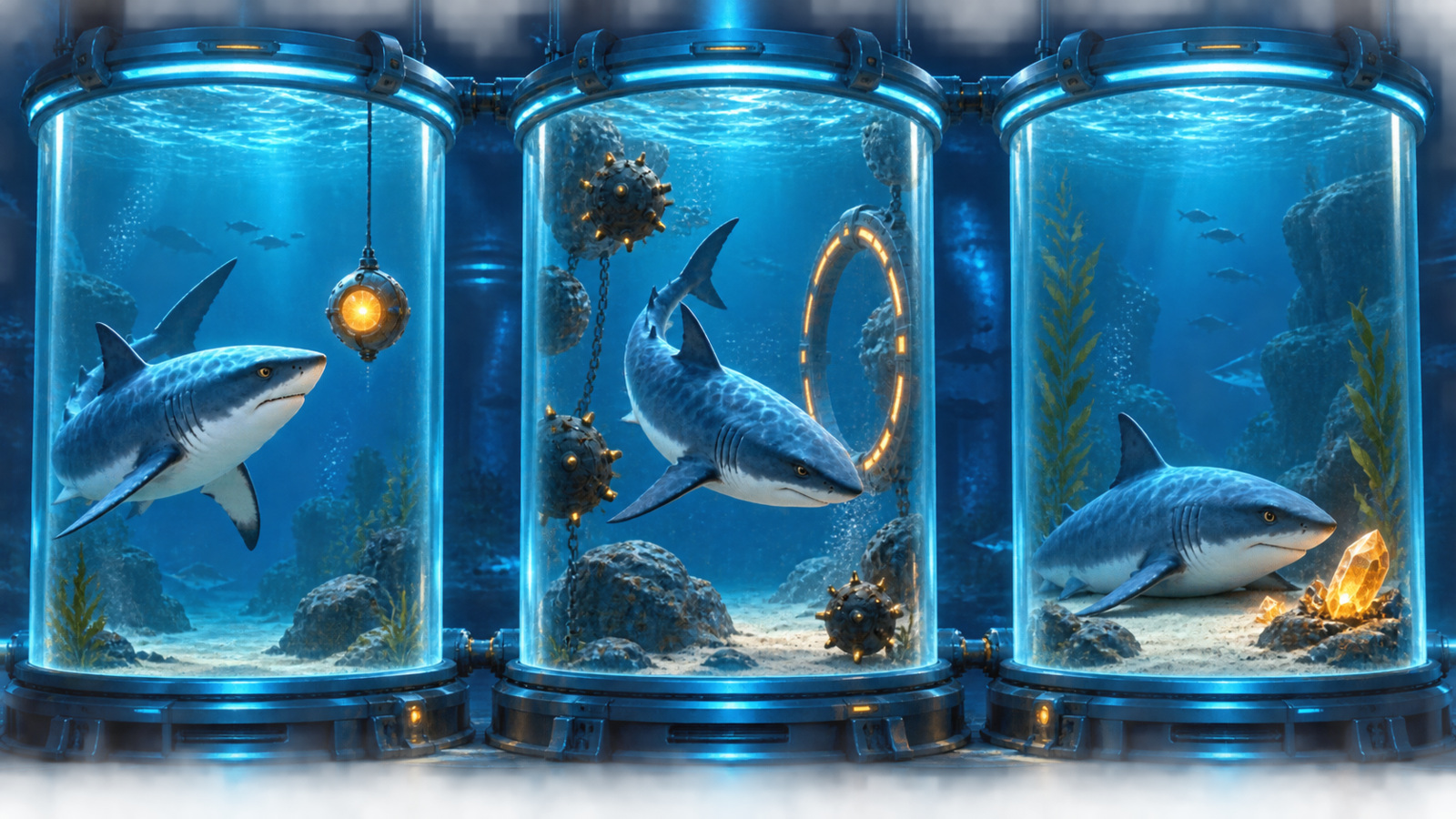
A useful practice note has four fields: objective, change tested, visible result and next adjustment. This works even when an edition provides no formal statistics. After several runs, repeated failure at the same moment points to a specific control or rule that deserves focused testing.
Verify progression instead of assuming it
Open the menus that appear after a completed objective or session. Look for clearly named unlocks, levels, upgrades, currency, experience or chapter movement. Write down the exact label and the action that changed it. A decorative icon or locked thumbnail is not enough to infer an entire progression system.
If the game distinguishes earned rewards, optional purchases and temporary boosts, keep those paths separate. Check whether an item affects the current session or persists after restart. Progress advice becomes trustworthy only when it describes the condition shown by the build, not a pattern borrowed from another game.
Use the canonical edition for technical advice
The GameBee Shark Attack profile is the stable product reference, while the exact current store bridge remains an editorial dependency. Until that bridge is documented, do not publish device-specific buttons, minimum-system claims, offline promises or controller instructions as universal facts.
A differently named Apple TV listing that mentions Shark Attack remains blocked for this guide. Even when the developer name matches, its controls and updates belong to that store identity unless GameBee maps it to P26. Correct guidance begins with the right build.
A practical first-session routine
Confirm the product and edition, complete the tutorial without skipping prompts, and spend one run testing direction and depth. Use the next run to recognize objectives and success cues. Only then test a faster approach or any visible progression choice.
This order keeps the guide useful across revisions because it relies on information the game must reveal to the player. When GameBee confirms the exact store destination, the article can add named controls and systems from that edition without rewriting the underlying learning method.
Check the Shark Attack update-status baseline before treating a new mechanic or performance change as verified.
Questions about learning Shark Attack safely
What is the best first skill to practise in Shark Attack?
Practise orientation: hold a heading, turn around a landmark and change depth deliberately. Reliable navigation makes every later objective easier to read.
What if my edition shows no survival meter?
Follow the explicit objective and visible danger or failure feedback. Do not assume hidden hunger, oxygen or stamina rules unless the build explains them.
How do I know whether an upgrade is permanent?
Check the menu label, acquisition condition and state after a restart. Keep session boosts, earned unlocks and purchases in separate notes.
Can I copy controls from an Apple TV Shark Attack result?
Not yet. Use only the controls shown in the confirmed P26 edition; the differently named Apple TV record remains unbridged in this package.