

Chhota Bheem: Cooking Mania is a time-management cooking game in which players read orders, prepare food and serve customers before the service window closes. The verified Apple product record presents Indian thalis alongside international recipes, ingredient and kitchen progression, tools, mini challenges and appearances by familiar Chhota Bheem characters.
Its appeal comes from a simple loop that can become demanding: notice what is requested, start the slow task, coordinate the remaining steps and serve without letting one mistake disrupt the queue. This review separates that documented loop from unverified assumptions about recipe counts, scores, education, other platforms or future content.
The cooking loop is easy to understand
Each round turns a visible order into a short sequence of actions. The player taps to prepare, cook and serve, then repeats as the queue changes. That direct relationship between request and response makes the opening approachable even for someone who has not played a restaurant-management game before.
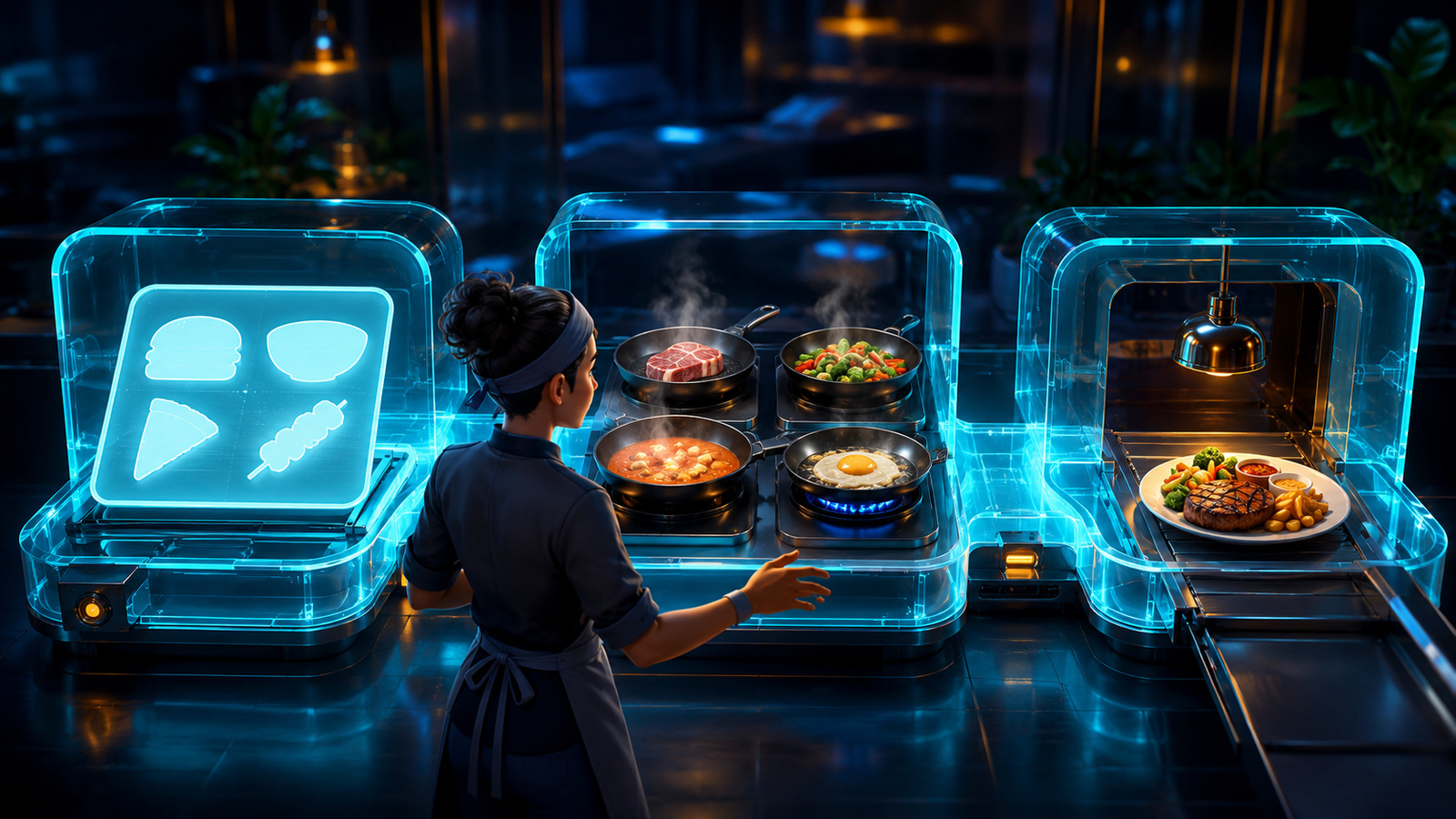
Approachable does not mean automatic. Several items can demand attention at once, and every extra step competes for the same limited time. The first quality test is whether icons, cooking states and completed dishes remain distinct enough that the player can plan instead of merely tapping whatever flashes.
Recipe variety creates a readable learning curve
The Apple description supports a mixture of Indian thalis and international recipes. That range can create useful progression when new ingredients introduce one decision at a time. A good sequence lets the player master a base order before adding another cooking duration, garnish or serving combination.
The listing does not publish a complete recipe catalogue, so the review should not invent one. Variety is best judged inside the installed build: note whether the next dish changes the workflow, whether its visual cues are clear and whether earlier skills remain relevant when a new kitchen opens.
Service pressure comes from task order
Speed matters, but sequencing matters more. Starting the longest preparation first can leave time for a quick side item, while completing one entire plate before looking at the queue may create avoidable waiting. The challenge is to keep several small processes moving without losing the identity of each order.
Fair pressure should remain legible. When a round fails, the player ought to see whether the cause was a late start, an unattended item or a misread request. If the interface hides that explanation, better scores depend on memorizing surprises rather than improving a repeatable service method.
Upgrades add goals but require live menu checks
Apple mentions ingredients, kitchens and cooking tools that can be unlocked. These systems can provide reasons to replay familiar rounds and can make progress visible between sessions. They may also change which task becomes the bottleneck, so an upgrade is most valuable when its effect solves a problem the player can identify.
The live menus must establish how any item is earned, priced or retained. The store record confirms advertising and in-app purchases, but it does not justify a permanent price table or a promise that payment is necessary or sufficient for progress. Families should review the device purchase settings before play.
Mini challenges change the rhythm
The description names time and food missions in addition to ordinary service. A focused challenge can isolate one skill, such as recognizing an ingredient quickly or completing a compact sequence under a clock. That variation is useful when it reinforces the main loop rather than replacing clarity with more simultaneous prompts.
Players should treat each mission as a fresh objective. Read the goal before beginning, identify whether success depends on speed, accuracy or a particular dish, and avoid carrying assumptions from the previous round. The installed instructions are authoritative whenever this review and the current build differ.
Family suitability includes more than bright visuals
The familiar characters, food vocabulary and straightforward actions can make the theme inviting for younger players. Apple currently lists an age rating of 4+, but that classification is not a guarantee that every child can manage the pace, read every instruction or understand advertising and purchase prompts independently.
A useful family test watches one early round together. Check text size, order recognition, reaction to mistakes and whether an adult can explain the next step without taking over. Short shared sessions can support planning and food-name recognition without turning those possibilities into a clinical or curriculum claim.
Device compatibility is broad but not identical
The verified listing is designed for iPhone and iPad and states iOS 13 or later and iPadOS 13 or later. It also lists compatible iPod touch, Apple Vision and Apple-silicon Mac conditions. Those are store compatibility statements, not evidence that layout and input feel identical on every screen.
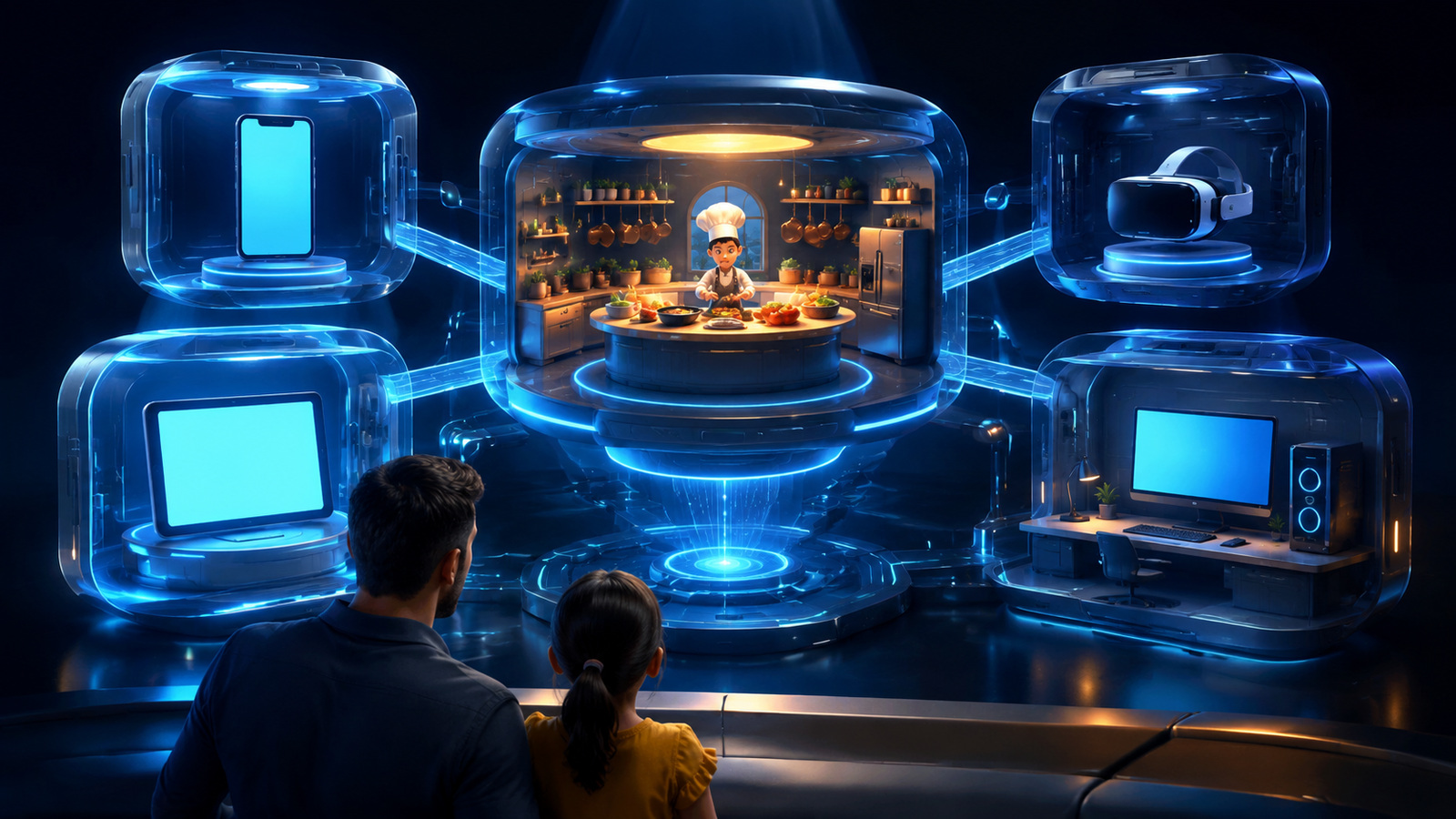
The Mac entry is conditional on a Mac with Apple M1 or later, and it should not be presented as a separate native desktop edition without further evidence. Apple TV is not listed for this product. Before downloading, the player should confirm the exact device line and current requirements in their regional store.
Verdict: a focused time-management game with Bheem
Cooking Mania offers a clear family-facing proposition: recognizable characters frame a restaurant loop based on order reading, preparation timing and service. Recipe variety, kitchen progression and mini challenges give that loop room to grow while retaining a goal that can be explained in one sentence.
It best suits players who enjoy improving a routine and staying calm as several tasks overlap. Choose it after checking the exact Apple listing, purchase controls and device compatibility, then judge the opening rounds by clarity, recovery after errors and whether the pace remains enjoyable for the intended player.
Use the Cooking Mania service guide to turn the verified order-and-cook loop into a repeatable practice routine.
Questions before choosing Cooking Mania
What do players do in Chhota Bheem: Cooking Mania?
Players read customer orders, prepare and cook the requested food, serve it within the round and progress through ingredients, kitchens, tools and focused missions described by the Apple listing.
Is Chhota Bheem: Cooking Mania suitable for children?
Apple currently rates it 4+, but families should still check reading demands, service pressure, advertisements, purchase controls and the individual child's response during an early shared round.
Does the game include Indian recipes?
Yes. The verified Apple description names Indian thalis as well as international recipes, but it does not provide a complete permanent recipe count or catalogue.
Can I play Cooking Mania on Apple TV?
Apple TV is not listed in the verified compatibility record for this title. Use the exact regional Apple page to confirm supported devices before installing.