

Better runs in Chhota Bheem: Adventure Run begin with obstacle recognition, controlled swipes and a clear goal for each attempt. The GameBee Adventure Run profile preserves the Chhota Bheem identity. Google Play currently lists Chhota Bheem: Adventure Run under package com.gamebee.bheemrunner, and the Apple edition uses the same title.
This refreshed guide uses features documented in the current editions: jump, slide and dodge controls; obstacles; characters; coins and hidden items; Super Jump, Magnet and Shield; missions; challenges and upgrades. Exact layouts and inputs can change, so the installed build remains the authority.
Begin with one obstacle response at a time
Use the first attempts to separate the three basic decisions described by the stores: jump, slide and dodge. Watch the obstacle shape, choose one response and notice how early the input must begin. Repeating the same obstacle is more useful than swiping several times without knowing which action worked.
When a collision occurs, name the cause: late recognition, wrong action, extra swipe or poor position. That simple diagnosis prevents the next attempt from becoming a random correction.
Keep attention ahead of the character
The current Google description names boulders, spiked traps and swinging logs. Each asks for a timing decision, but all reward looking beyond the character. Fixating on collected coins can hide the next hazard.
Use the environment to create early visual references. A doorway, terrain change or object edge can signal when to prepare. These references are temporary and must be relearned if a level, camera or update changes the presentation.
Jump only as much as the obstacle requires
A jump made too early can end before the landing point, while a late jump can collide with a barrier. Start with a conservative reference and adjust in small steps. If the current edition includes different jump behaviour through a power-up or character, test that change separately.
The goal is not to stay airborne as long as possible. It is to land in a position that leaves time to read the next decision.
Use slides and dodges without stacking inputs
Sliding and dodging can fail when an extra swipe sends the character into a different hazard. Make the intended action, let the game register it and return attention to the next obstacle. Rapid repeated inputs are useful only when the current sequence actually requires them.
If the character does something unexpected, check the direction and timing of the swipe. A calm test on an easier section can reveal whether the problem is control interpretation or the obstacle choice.
Match each power-up to a specific goal
Google currently names Super Jump, Magnet and Shield. Super Jump can change movement, Magnet can support collection and Shield can protect against a mistake according to the effect shown in the build. Do not assume the duration or exact protection from the name alone.
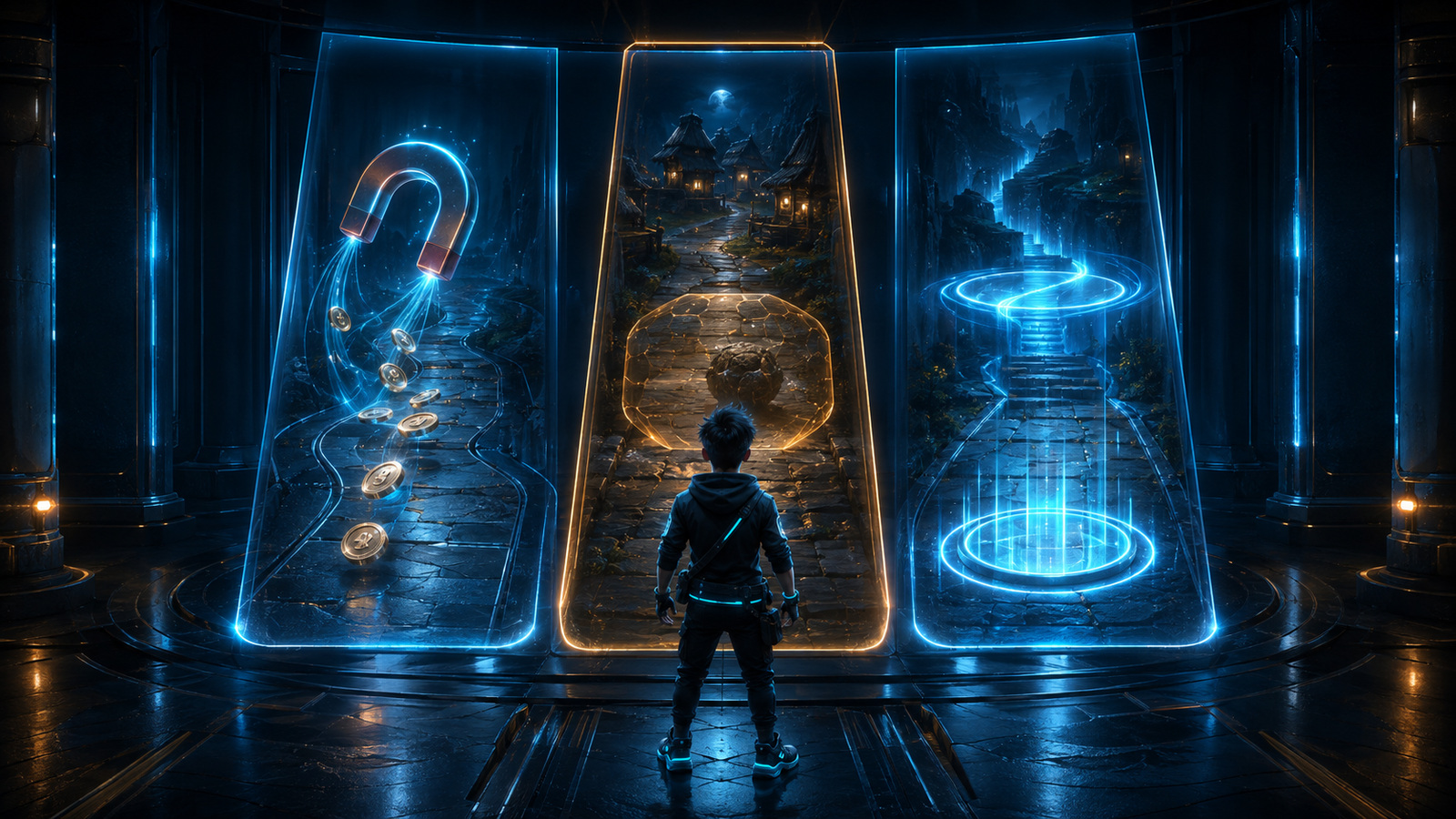
Before collecting or activating a power-up, decide whether the run is focused on distance, a mission or resources. Using every item immediately can waste its strongest section. Watch for the active-effect cue and adjust the next decision accordingly.
Balance collections with survival
Coins, hidden items and treasures create tempting movement choices. A collectible near a hazard is not automatically worth the risk, especially when the current goal is a longer run or a mission completion. Choose the safer line until obstacle timing is stable.
Collection-focused attempts can be useful later. By separating survival and collection practice, players learn which risks are deliberate instead of turning every missed item into a failure.
Use missions and challenges to organise practice
Google describes missions, and the current update note names achievements and challenges. Read the exact requirement before starting. A collection objective, survival objective and character objective call for different decisions.
Build the attempt around one requirement. If progress does not register, confirm the current mode, connectivity and wording rather than repeating an assumption from an older edition.
Upgrade after identifying the real bottleneck
Both current stores describe character progression or upgrades. Before spending a resource, decide whether the limitation is timing, a mission requirement or a visible attribute. An upgrade cannot replace recognising the obstacle early enough.
Compare the current values and costs, change one element and repeat a familiar section. This produces a clearer answer than upgrading several characters after one difficult attempt.
Recover quickly after a near miss
A missed collectible or awkward landing can draw attention backward while the next obstacle arrives. Accept the lost item and restore the forward scan. One small error should not trigger several unnecessary swipes.
If Shield or another effect remains active, use its visual cue to understand the current state. Do not assume that protection continues after the game stops displaying it.
Use a focused fifteen-minute practice plan
Spend the first three minutes identifying jump, slide and dodge references. Use the next five minutes on one obstacle type that repeatedly ends the run. Dedicate four minutes to a power-up or mission goal, then finish with several attempts that prioritise clean decisions over maximum collection.

Review one success and one failure. Write down the earliest clue that predicted each result. Players who want a different Chhota Bheem challenge can inspect Chhota Bheem: Kart Racing or Chhota Bheem: Cooking Mania; both remain separate games.
Current-edition safeguards for older tips
Older promotional copy referred broadly to universal appeal, unique abilities, endless fun and guaranteed high-score benefits. Current stores support a runner with characters, power-ups and progression, but they do not prove that every item works identically across Android and Apple or that one strategy guarantees success.
Use the current store and installed build for age rating, purchases, privacy, compatibility and feature availability. The practical method remains valid because it depends on observation rather than a fixed hidden value.
Adventure Run gameplay questions
Which obstacle should a new player practise first?
Choose the obstacle that appears often and has a clear single response, then repeat it until the timing is predictable. Move to mixed sequences only after jump, slide and dodge decisions are individually recognisable.
When should Magnet or Shield be used?
Use Magnet for a collection-focused section and Shield when protection supports the current objective, according to the active build. Watch the effect cue because duration and behaviour can change.
Is an upgrade the best answer to a difficult level?
Not always. First determine whether the failure comes from late recognition, a wrong swipe or a visible character limitation. Upgrade only when the current values show that it addresses the specific bottleneck.
Are the Android and Apple controls identical?
The stores describe the same basic run, jump and slide concept, but exact prompts, timing and feature sets can differ. Confirm the controls inside the edition being played.
Comments are closed.