
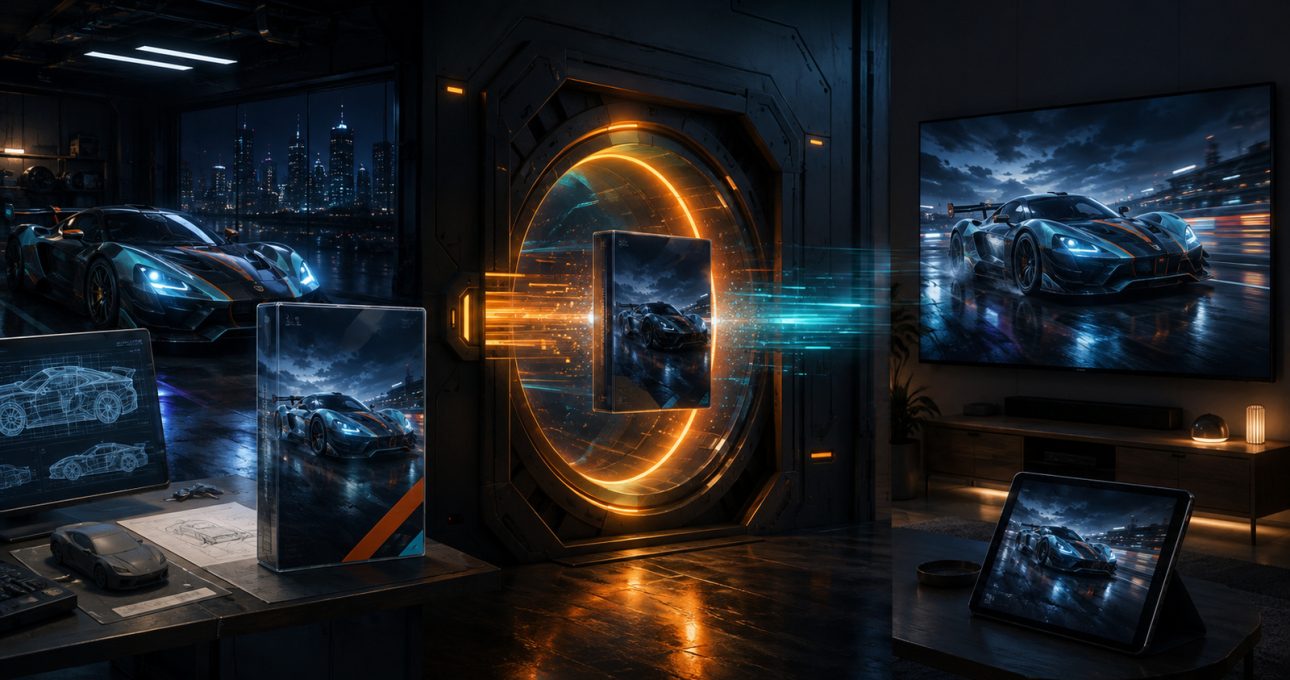
On 8 October 2024, GameBee Studio announced a collaboration with ChennaiGames to distribute MR RACER through GameBee’s Amazon account, naming Fire TV and Fire Tablet in the launch description. This page preserves that dated, first-party record and does not infer private commercial terms, universal device support or current regional availability.
This historical account preserves the original event while keeping its evidence boundary clear. The Amazon destination named in 2024 could not be directly reviewed during the 17 August 2026 audit. Readers can use GameBee’s live games catalogue for currently published GameBee titles.
The public record from October 2024
The original GameBee announcement identified ChennaiGames as the developer behind MR RACER and described GameBee Studio as the party publishing the title through its Amazon account. It named an Amazon Appstore launch and referred to Fire TV and Fire Tablet. The article also described several racing modes, including Endless, Multiplayer, Challenge, Career, Time Trials and Chase.
Those statements are evidence of what GameBee publicly announced at that time. They do not expose the agreement, revenue model, territory schedule, technical acceptance criteria or support allocation. A case study remains trustworthy when it separates the visible milestone from facts that were never published.
The current MR RACER Premium Google Play listing still identifies ChennaiGames and describes a premium racing product with multiple modes. That listing helps confirm present product and developer identity in a different store. It does not confirm Amazon availability, nor does it prove that feature names, commerce or device support are identical across editions.
How to read the 2024 announcement
The announcement identifies a named title, two parties, an Amazon account context and the Fire TV and Fire Tablet device families. It records a specific 2024 event; it does not establish a standing service offer or a reusable commercial model.
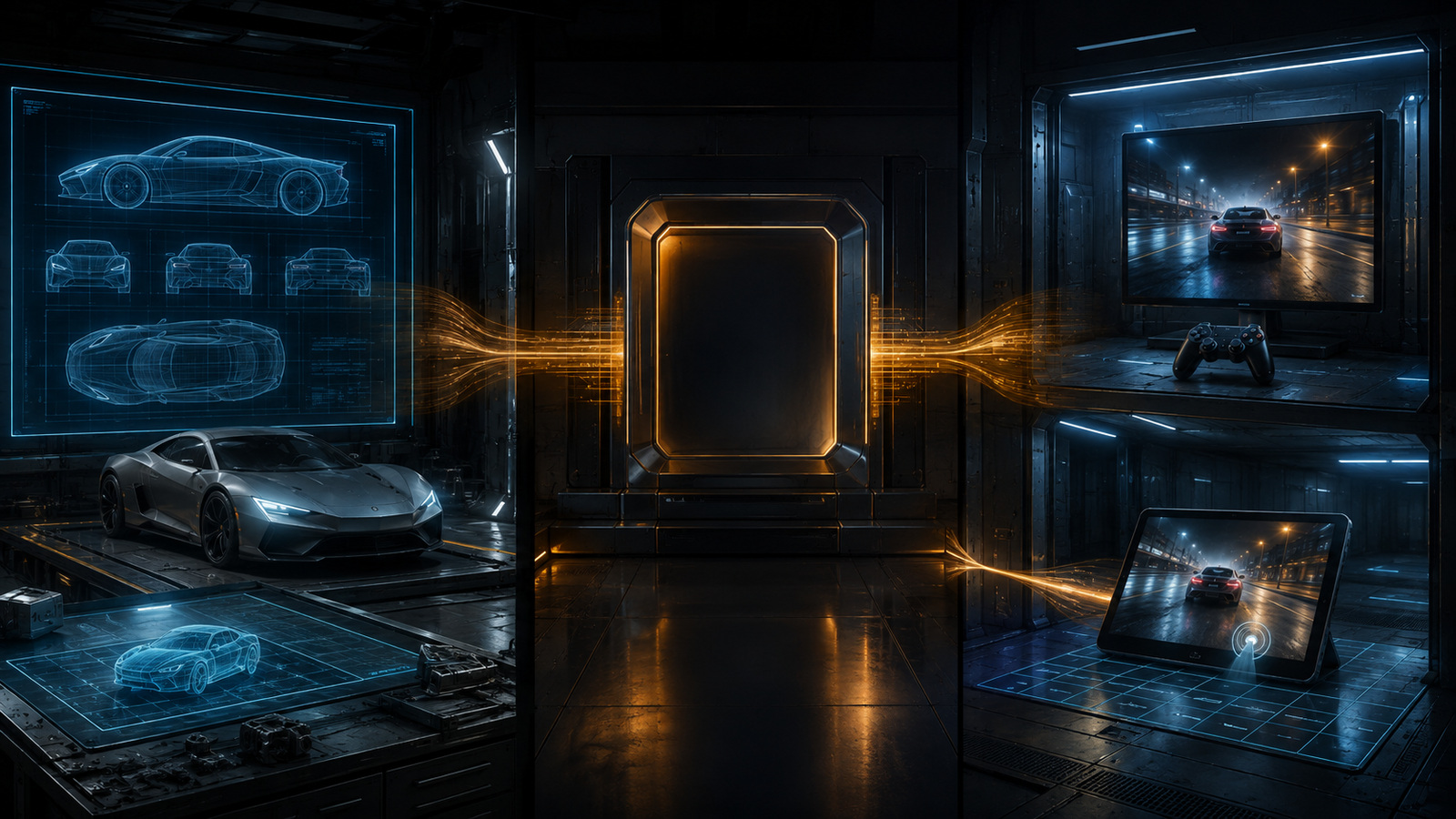
The public article names ChennaiGames as the developer and GameBee as the Amazon publishing participant. Preserving that attribution avoids suggesting that GameBee created MR RACER or owns rights that were not described publicly.
For the historical record, the announcement is useful because it names the parties, title, platform context and date without requiring broader claims about GameBee’s current business.
What this case does not establish
The announcement does not publish a revenue share, licensing fee, ownership transfer or standard contract. Those details were not disclosed in the public record.
It also does not prove that the Amazon listing is currently purchasable in every region. Marketplace availability can change by country, device, account, policy and product lifecycle. A historical outbound destination is useful evidence of the original launch, but an “install now” statement is a current claim and requires current verification.
Finally, the case should not be read as a universal portability claim. A game that appears on Android and an Amazon device may use related product identity, but the public evidence does not prove shared purchase, cross-save, identical controls, identical content or a common update schedule.
A disciplined way to verify a platform launch
The first check is identity. Confirm that the listing displays the expected MR RACER title and the correct developer or publisher information. The second is device scope: verify the exact Fire TV or Fire Tablet compatibility relevant to the article. The third is commercial state, including whether the product can be acquired in the target region and whether the visible price or purchase terms have changed.
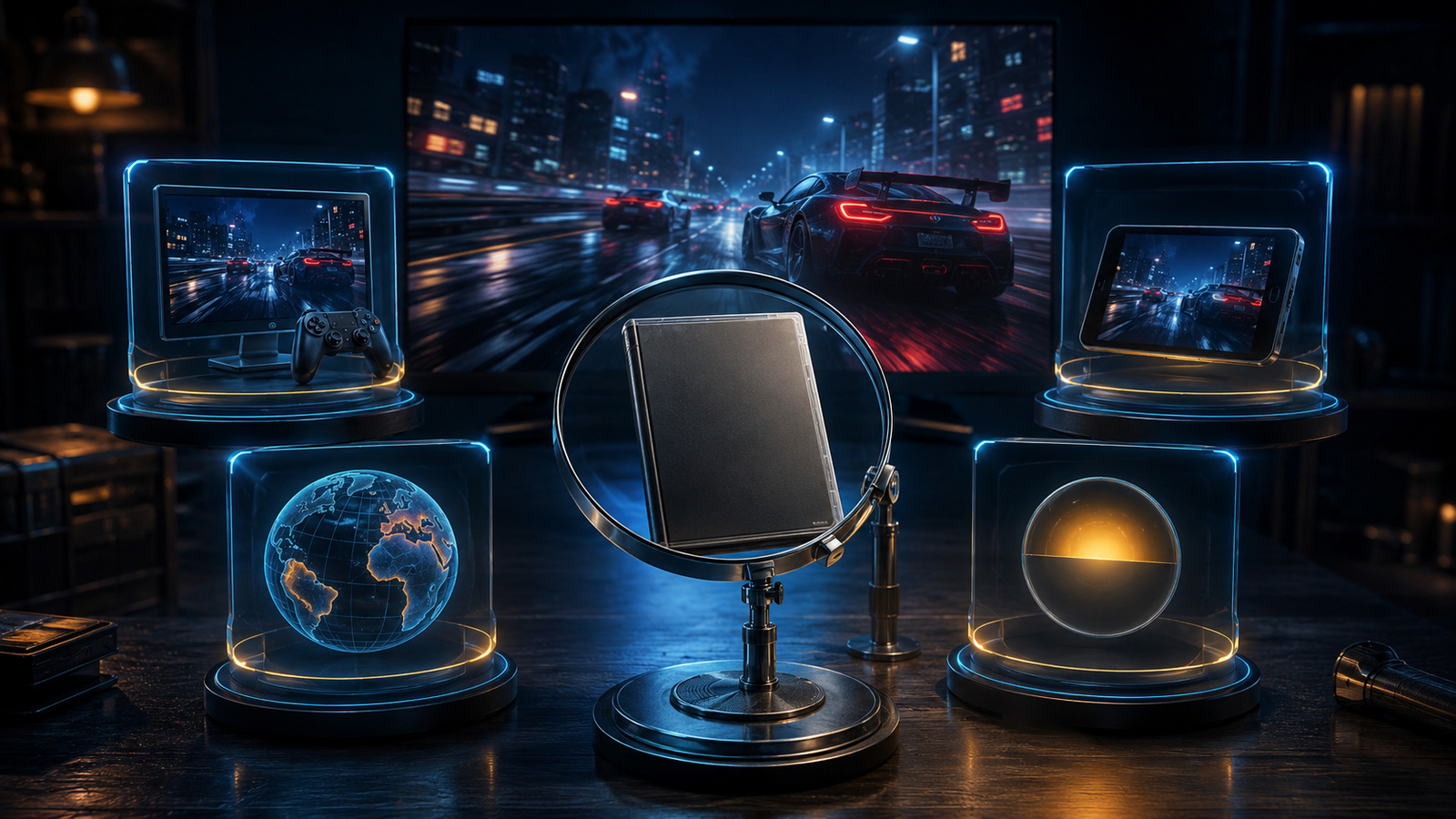
The fourth check is feature scope. Compare only the features visible in the exact listing and current approved materials. If a mode appears on Google Play but not on Amazon, do not silently transfer it. The fifth check is owned-site consistency: the article’s title, date, links and action should match the current evidence without erasing the historical event.
This method keeps the article useful in search and AI answers. It supplies named entities, a date, a platform context and a clear distinction between historical and present-tense facts.
MR RACER distribution case questions
Did GameBee Studio develop MR RACER?
The 2024 announcement identifies ChennaiGames as the developer and describes GameBee Studio’s role in the Amazon publishing and distribution context. This article preserves that attribution and does not claim that GameBee created or owns the game.
Is MR RACER currently available on Amazon Appstore?
The original announcement named an Amazon destination, but that exact listing was not directly reviewable during the 17 August 2026 audit. Current availability should be stated only after an editor verifies the title, account, supported devices, region and purchase state on publication day.
Were the commercial terms published?
No. The public materials used for this historical account do not disclose a percentage, fee, ownership outcome or standard term.
Comments are closed.