

Shark Attack is a GameBee title positioned in the approved content plan as a mobile underwater-survival game viewed from the predator’s side. The live GameBee games catalogue confirms the product identity and points to the legacy project page, but a current exact consumer-store destination has not yet been reconciled.
That evidence gap shapes this review. It explains what the predator-view premise should help a player evaluate, while keeping controls, modes, missions, playable sharks and progression counts conditional on the edition actually shown on the player’s device.
Start with the verified GameBee identity
The safest entry point is the Shark Attack project profile, reached from GameBee’s live catalogue. That connection establishes Shark Attack as the product being discussed. It does not, by itself, prove an App Store or Google Play package, a release version or support for every mobile device.
Before installing, compare the product name, developer name, icon and destination linked by GameBee. If a store result appears under a different title, treat it as a candidate rather than an automatic match. A shared word such as shark is not enough to move features or patch notes from one record to another.
The predator viewpoint changes the review question
Many survival games ask the player to escape a threat. The approved Shark Attack intent reverses that expectation: the player is evaluating the fantasy of acting as the underwater predator. The useful question is not whether the premise sounds dramatic, but whether the installed edition makes targets, danger and direction legible from that viewpoint.
A good first session should make the immediate objective visible without requiring outside explanation. Look for a readable goal prompt, a clear relationship between movement and camera direction, and feedback that distinguishes a successful action from simple contact. If those cues are absent, the concept may be stronger than the onboarding.
Underwater controls decide whether the fantasy works
Three-dimensional movement creates a practical challenge: the player must understand forward motion, depth and camera angle at the same time. During the opening minutes, test one input at a time. Move in a straight line, turn at a fixed landmark, then change depth and observe whether the camera preserves orientation.
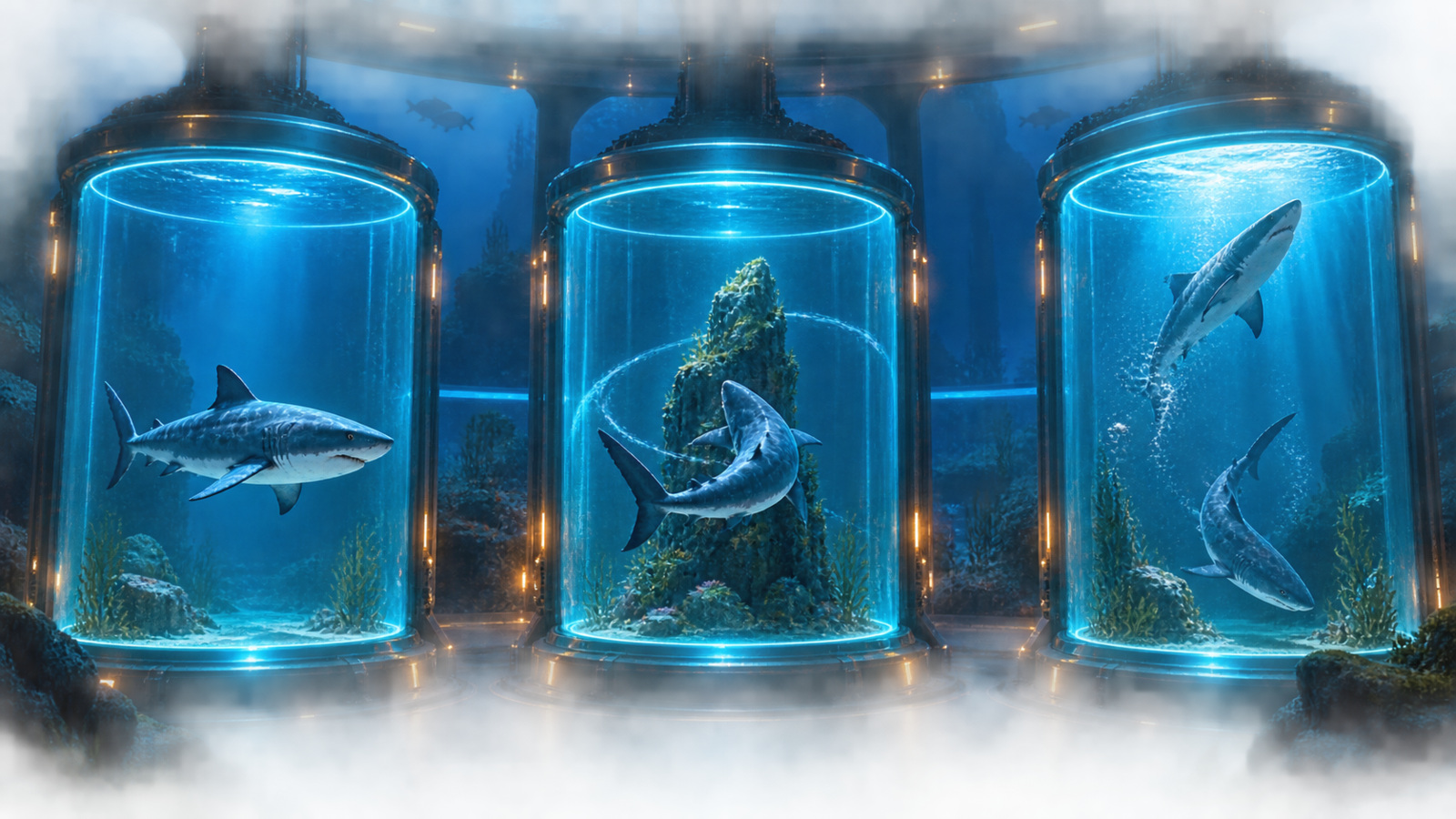
Do not assume a particular control scheme from screenshots or from another edition. The live build may use touch zones, a virtual stick, tilt, a controller or a combination. The correct review records what the tutorial and settings actually expose, including whether sensitivity, inversion or camera assistance can be adjusted.
Survival and hunting need visible rules
The underwater-survival label suggests pressure, but the source set does not document a health meter, hunger system, oxygen rule or fixed failure condition. A player-first review should therefore identify only the resources that appear on screen and explain how the game communicates their change.
The same rule applies to hunting. Confirm what counts as a target, what ends an encounter and whether avoidance is sometimes more useful than pursuit. If the edition provides objectives, markers or a results screen, those are stronger evidence than promotional language because they show the loop the player is actually asked to repeat.
Progression should be read from the installed menus
No verified first-party record in this package establishes unlock counts, currencies, upgrades or a roster of playable sharks. If progression appears, document the exact menu labels and the action that advances them. Separate permanent unlocks from temporary session effects and separate earned items from purchases.
This distinction protects the player from a common review failure: presenting one captured screen as a complete economy. A useful review says what was visible in a dated edition, how the player reaches it and which parts can change through a later update.
Mobile fit is more than a platform label
The implementation matrix assigns Shark Attack to the mobile cluster, but the exact supported operating systems, hardware floor, orientation and input requirements must come from the canonical store destination. Until that record is confirmed, mobile is a content classification rather than a universal compatibility promise.
When a verified build is available, test it in the conditions that matter: a short session, a longer uninterrupted run and a restart after the app leaves focus. Note text size, heat, battery use, frame consistency and whether the current objective survives a pause. These observations describe real player fit without inventing technical specifications.
Why the similar Apple TV listing stays outside the verdict
A Game Bee Studio Apple TV listing currently uses Shark Attack wording inside a differently named product record. It is a useful lead for the publishing team, but the approved matrix does not connect its Apple identifier to the canonical Shark Attack parent. The record is therefore blocked, not treated as a second edition.
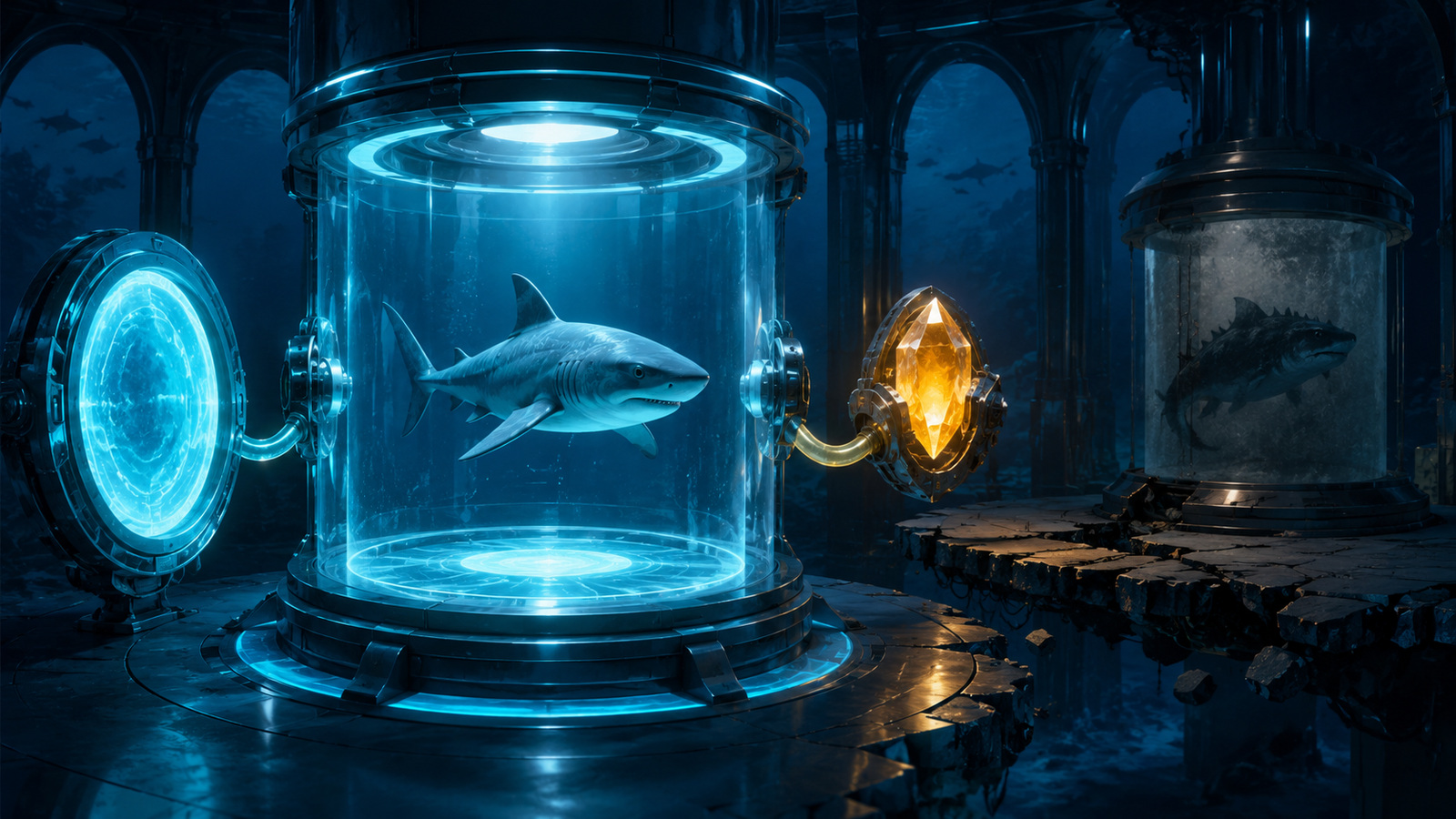
Until GameBee confirms that relationship, its modes, creatures, mission language and version notes must not appear here as Shark Attack facts. Identity reconciliation should be explicit: parent page, exact store ID, displayed title and developer record should all point to the same product family.
Who should consider Shark Attack
The premise is most relevant to players who want an underwater survival fantasy from the threat’s perspective and are comfortable verifying an edition before download. It is not yet possible to promise a particular mode list, progression depth, offline status or device range from the public records assembled for this batch.
Use the GameBee parent as the discovery source, then wait for the exact store destination or a confirmed product-page install link. Once that bridge exists, judge the opening tutorial, camera control and visible survival rules first. Those elements determine whether the predator concept becomes a readable game rather than only an appealing theme.
Continue with the edition-safe guide to hunting, survival and progression in Shark Attack.
Questions players ask before choosing Shark Attack
Is Shark Attack an official GameBee title?
Yes. Shark Attack appears in GameBee’s live games catalogue and links to a GameBee project destination. That verifies the website identity, although it does not yet supply an exact current consumer-store ID.
Can I use a store result with a different title?
Only after GameBee confirms the relationship. Match the canonical parent, developer, store ID and edition before treating a differently named result as Shark Attack.
Does Shark Attack include multiple sharks, missions or upgrades?
Those details are not confirmed by the source set for P26. Check the tutorial, menus and canonical store record for the installed edition instead of importing features from a similar listing.
What should I test in the first five minutes?
Confirm the objective, movement, camera and depth controls, then identify the on-screen survival and success signals. These checks reveal whether the predator-view loop is understandable.