
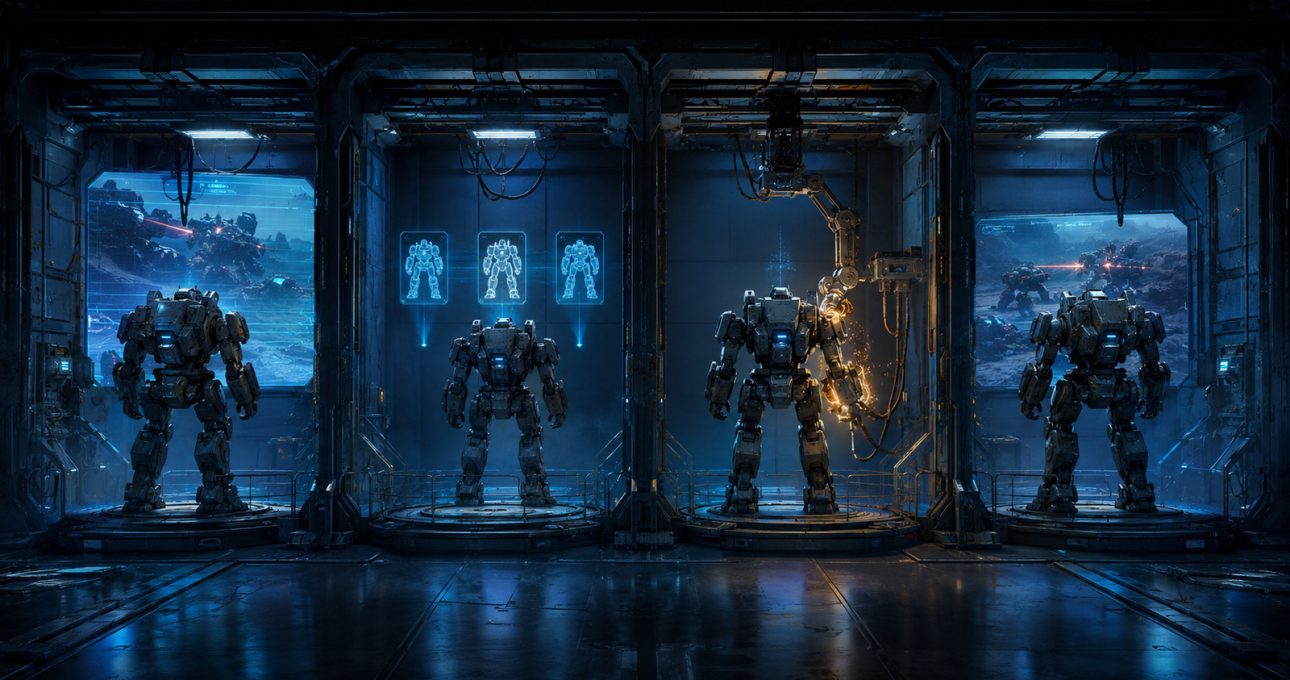
A stronger Robo Strike loadout begins with a defined combat job and a repeatable test. GameBee's live Robo Strike description confirms armed mechs and strategic combat, but it does not publish current weapon names, slots, statistics or upgrade costs. Use only the choices visible in the exact edition; do not read the examples below as proof that a particular item exists.
The method has four parts: identify why the current setup fails, choose one role, change one available element and retest under comparable conditions. This creates a useful guide without fabricating a hidden inventory or presenting one build as unbeatable.
Diagnose the failure before opening the inventory
Describe the problem in observable terms. Is the mech defeated before it can act, unable to maintain pressure, ineffective at the distance where combat occurs or repeatedly caught while recovering? Each pattern points to a different question. A vague conclusion such as the mech is weak encourages random spending.
Use several comparable encounters before deciding. One loss may result from positioning or an unfamiliar threat. A repeated failure under similar conditions provides a stronger reason to change equipment, survivability or tactics.
Choose one role for the next test
A pressure role tries to keep an opponent responding. A survival role values staying active long enough to learn and complete an objective. A distance role seeks safe engagement when the edition provides suitable weapons. These are planning categories, not confirmed game classes.
Write the role in one sentence and reject changes that do not support it. A high displayed value can still be irrelevant to the chosen job. Role clarity makes comparison easier because the player knows what improvement should look like.
Separate damage, survival and mobility questions
If the build displays damage, armour, health, speed, range or related attributes, treat them as different questions. More damage does not automatically help a mech that cannot survive an attack window. More durability may not solve poor positioning. More mobility may be wasted if the player has not learned the controls.
The exact labels and relationships belong to the current edition. This guide does not claim a formula or a cap. Use the information the build presents and connect every change to the diagnosed problem.
Test one weapon or component change at a time
Keep the mech, encounter and player approach as stable as possible. Replace or upgrade one visible element, then repeat. Observe time to engage, ability to maintain pressure, exposure during recovery and survival at the end. The build may provide other indicators; use them only when they are clearly defined.
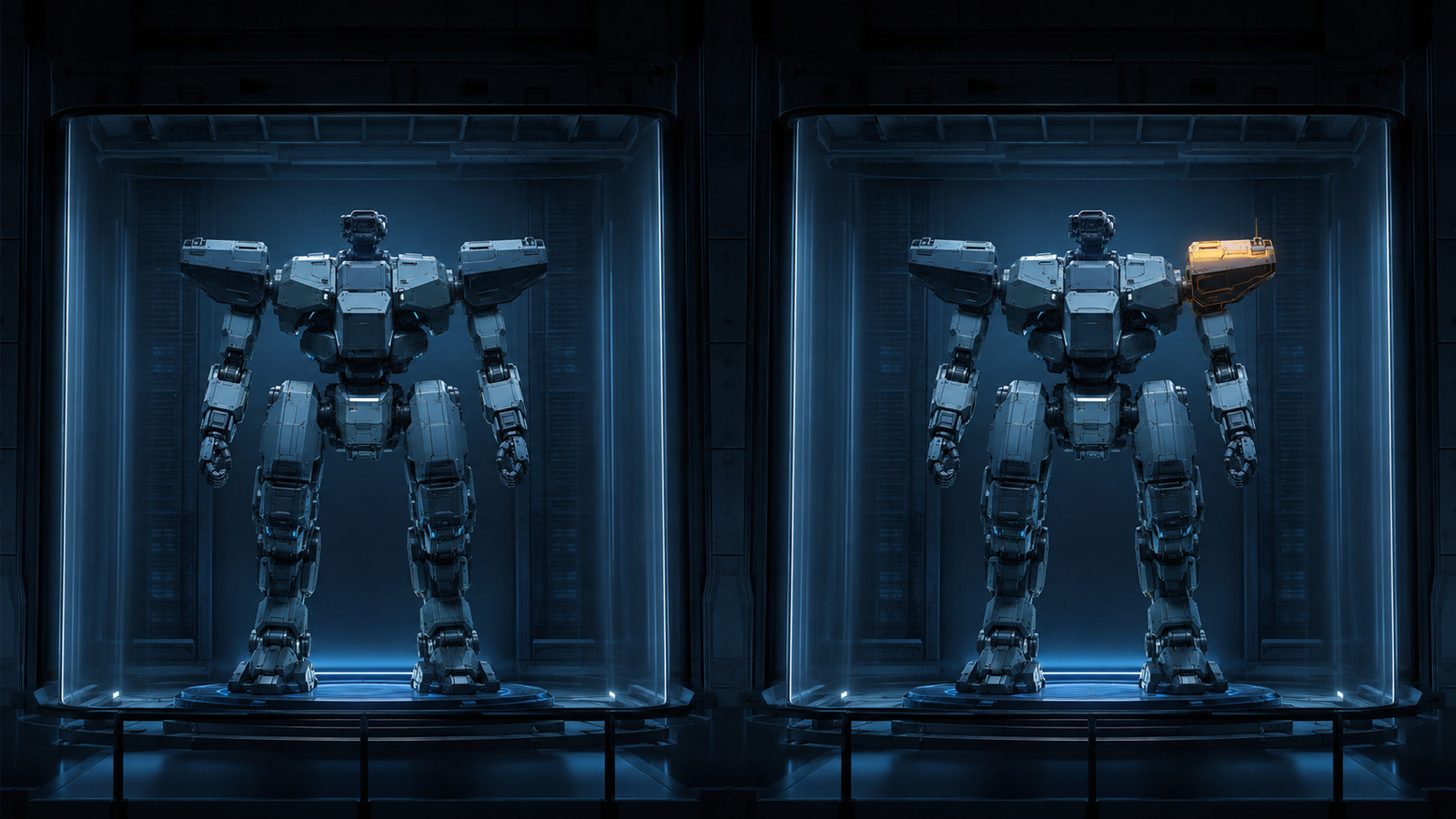
Changing several elements can produce an impressive result without explaining why. It can also consume resources before a player learns which choice mattered. One-variable testing supports a decision that can be repeated or reversed.
Match engagement distance to the available equipment
The legacy description confirms advanced weaponry but not its ranges. In the exact build, note where each available option becomes effective and how much exposure it creates. A weapon that feels strong at close distance may be difficult to use safely from farther away, and the reverse may also be true.
Positioning should support the chosen range. If the player constantly fights outside an item's useful window, an upgrade may not fix the mismatch. Change the approach or select a visible alternative whose behavior fits the intended role.
Account for firing and recovery windows
Every attack decision has a timing cost, even when the edition does not display it numerically. Observe when the mech can act, when it is committed and when it can move or defend again. A loadout that produces strong bursts but leaves long exposure may require a different rhythm.
Do not infer formal cooldown values without evidence. The goal is to recognise a practical pattern in the current build. If an update changes that pattern, the article should not preserve old timing as permanent fact.
Build survivability around the actual threat
When the mech is defeated too quickly, identify the source of damage and the decision that preceded it. If the build offers defensive equipment or upgrades, select the smallest change connected to that threat. Then repeat the same encounter and check whether survival improves without making the role ineffective.
Survivability also includes positioning, cover if present and disengagement decisions. Those mechanics must be confirmed in the edition before they are named as features. A player should not spend resources to solve a tactical error that practice can correct.
Avoid unsupported universal builds
No public evidence identifies the best Robo Strike loadout. The strongest setup may vary by edition, encounter, available inventory and player control. A build copied from a video can also depend on an old version or an item unavailable in the player's region.
Use recommendations as hypotheses. Confirm every item name and value in the exact edition, then test. Reject advice that promises guaranteed wins, maximum performance on every device or a purchase that cannot be undone.
Run a five-encounter comparison
Use the first two encounters as a baseline. Make one visible change for the third and fourth, keeping the intended role consistent. Use the fifth to test the better choice in a slightly different situation, if the edition allows. Record survival, pressure and controllability in plain language.
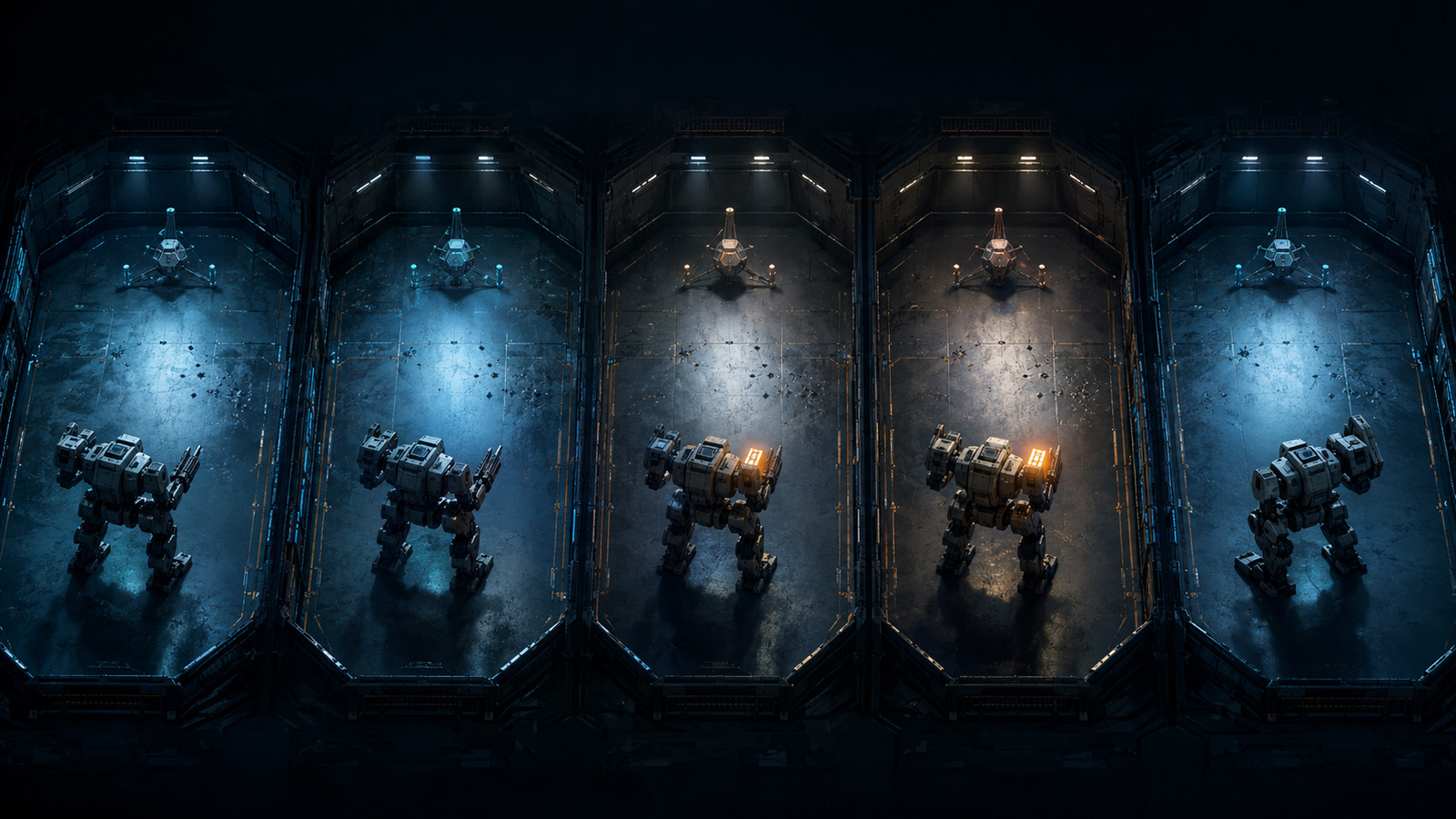
If the results conflict, return to the baseline rather than stacking more upgrades. Inconsistent evidence may mean the encounters were not comparable or the player approach changed. A slower decision is better than an expensive conclusion built on noise.
Keep an evidence note for future updates
Record the date, edition, role, visible loadout, test context and result. Do not include personal account information. When the game changes, the note reveals whether an old recommendation still applies. This is especially important because the public website does not provide a detailed change archive.
Players who want a separate action theme can explore the live 1945 Space War product description or Air Assault. These are discovery alternatives, not sources for Robo Strike weapon or control claims.
Loadout questions for Robo Strike players
What is the first step in building a mech loadout?
Identify one repeated failure and define the job the mech should perform next. Then choose a visible change connected to that problem. Avoid opening with a purchase or copying an undocumented build.
Which weapon is best in Robo Strike?
No public first-party evidence establishes a universal best weapon. Confirm the options in the exact edition, match engagement distance to the intended role and compare one change at a time.
Should damage always be upgraded before defence?
No. The useful priority depends on the failure pattern. Damage may not help a mech that cannot survive an attack window, while defence may not solve poor positioning or an unsuitable engagement range.
How can a player know whether a loadout improved?
Repeat comparable encounters, keep the role stable and change one visible element. Compare survival, pressure and controllability across several attempts rather than trusting one unusually good result.