
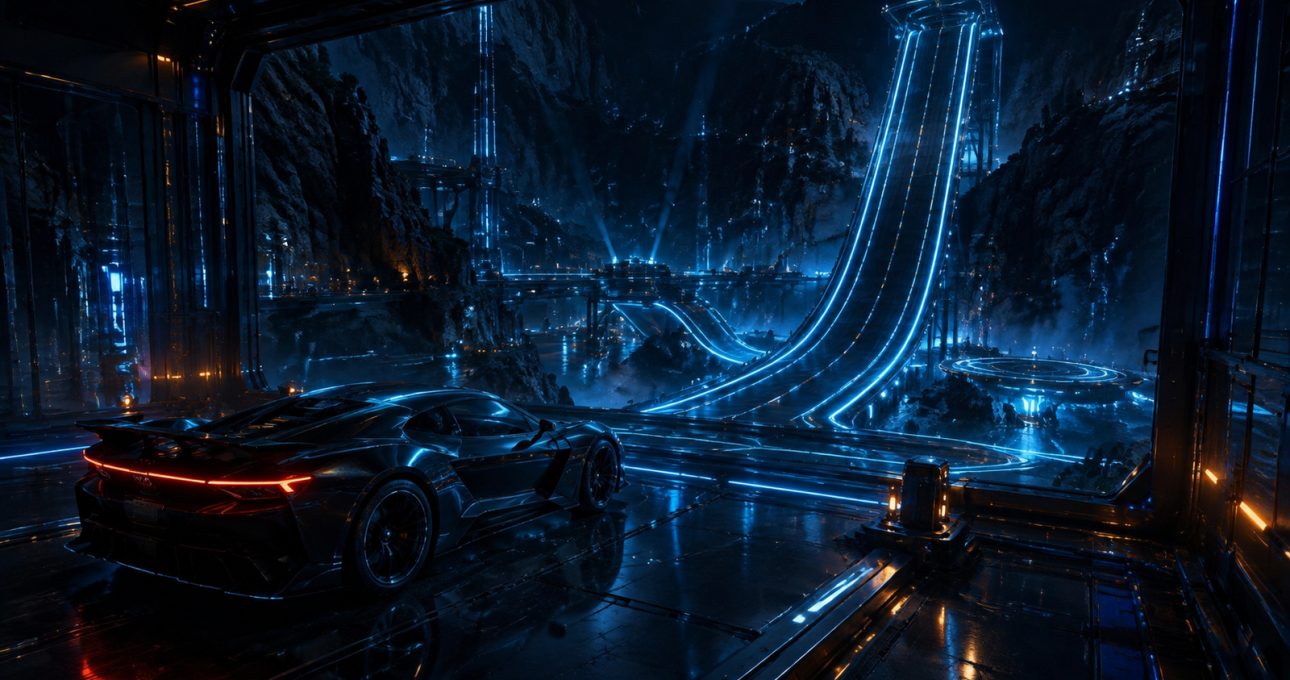
Keeping control on a Super Wheels ramp is a process of reducing uncertainty. The GameBee Super Wheels profile confirms mega ramps, sky roads and difficult car stunts, but it does not publish a universal control layout, target speed or vehicle-stat table. Learn the installed edition first, then make controlled comparisons.
Use one track, one car and one repeatable approach. Observe where the attempt begins to fail—before takeoff, during flight or after contact—and change only the input connected to that phase. Consistency is more useful than one lucky landing.
Confirm the control method before practising
Open the tutorial or settings and identify the actual steering, acceleration, braking, restart and camera inputs available on the device. Do not copy touch, remote or controller instructions from another edition. Test each essential action away from the hardest jump when possible.
The legacy feature heading uses broad simulation wording but does not define input support. Amazon's current eligibility check and the installed build should determine the control language used by a player.
Study the ramp from a stationary view
Before starting, look at the width, curve, takeoff edge, landing area and any visible barriers. Identify the center line and where a correction would become risky. Camera angle can affect judgment, so use only an angle the edition actually offers.
This is visual planning, not a claim that every track can be inspected freely. If the game begins immediately, use the first attempt to observe rather than chase a perfect result.
Build a repeatable approach instead of chasing speed
Begin from the same position and apply the same visible input pattern. The goal is to create a baseline that reaches the ramp predictably. No public evidence supports a universal speed number, and the fastest approach may be harder to align.
Repeat several times before changing anything. If the car reaches a different point on each attempt, stabilise the approach first. A setup cannot be evaluated while the starting routine changes constantly.
Keep steering corrections deliberate
Repeated left-right corrections can make a narrow sky road harder to read. Use the smallest input that visibly returns the car toward the intended line, then release or reduce it according to the current controls. Watch the result before adding another correction.
The exact steering response depends on the edition and chosen car. This guide does not promise that every input is analog or that each vehicle handles differently; it provides a method for observing what is present.
Align the car before the takeoff edge
Late corrections near the edge can change both direction and stability. Try to complete the main alignment earlier, then preserve a clear line into the jump. If the ramp curves, use repeated attempts to identify where the final useful correction belongs.
Do not invent a perfect angle. Compare where the car leaves the ramp and where it lands. A consistent miss gives better information than random changes made in the final moment.
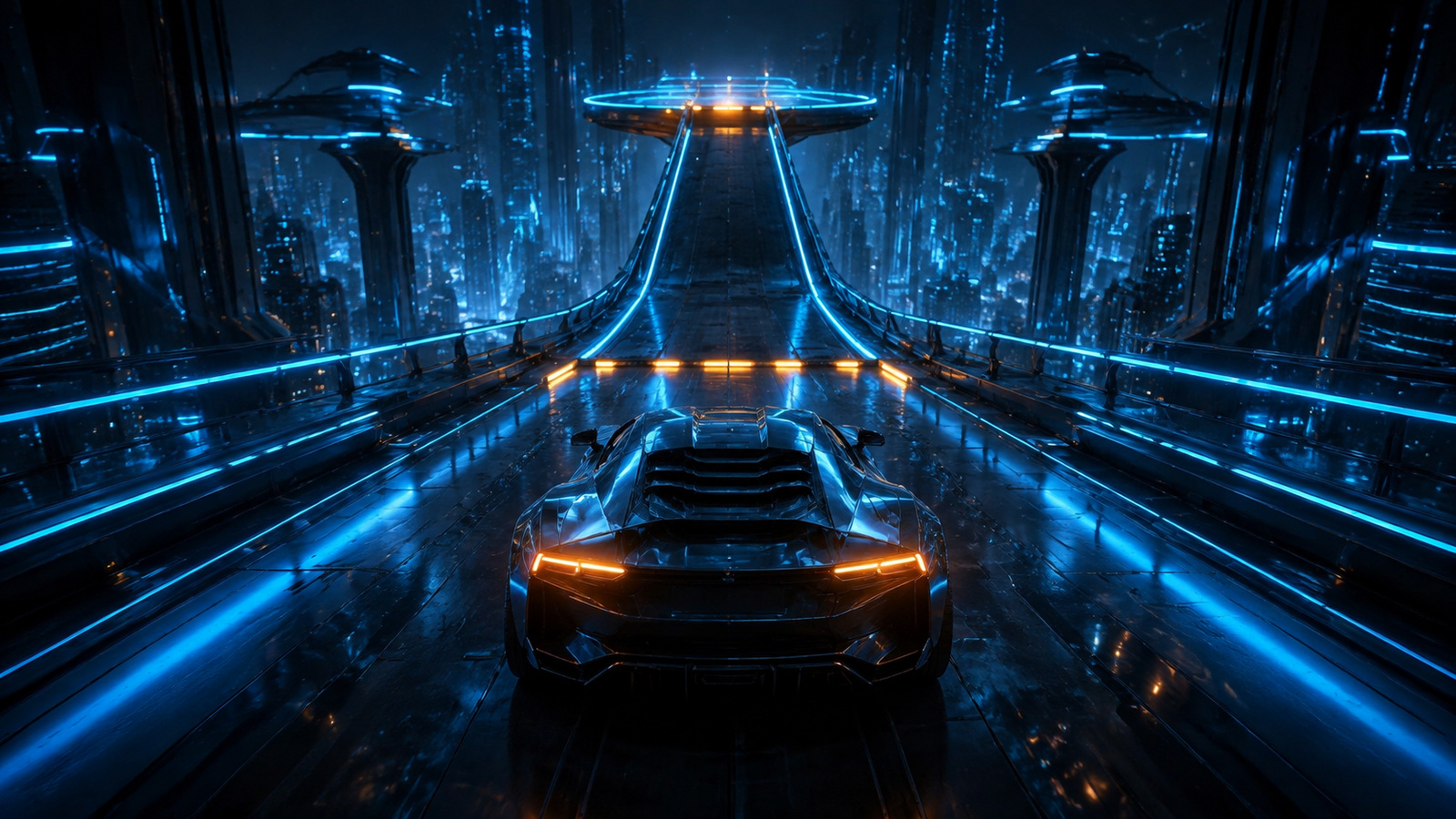
Use only verified airtime inputs
Some stunt games allow adjustment while airborne; others limit control after takeoff. The public Super Wheels material does not establish which system applies. Test a small input and observe whether the car responds before building a strategy around it.
If no response is visible, focus on approach and takeoff rather than assuming a hidden rotation control. Avoid copying button combinations from related GameBee titles.
Stabilise contact before accelerating away
A completed jump still needs a controllable landing. Observe the car's orientation at contact and whether immediate input creates a slide, bounce or correction. If the edition permits, reduce unnecessary changes until the vehicle settles, then continue toward the objective.
No fixed landing formula is supported. Use the visual and audio feedback of the current build, and judge success by continued control rather than dramatic appearance.
Diagnose the earliest failed phase
Classify the miss as approach, takeoff, airtime or landing. Then change one factor connected to that phase. A poor line should not be answered with an assumed car upgrade, and an unstable landing should not automatically lead to more approach speed.
Record a short note after several attempts: car, track, control method, failure phase and the single adjustment tested. This keeps practice focused and reveals whether improvement is repeatable.
Compare cars on the same challenge
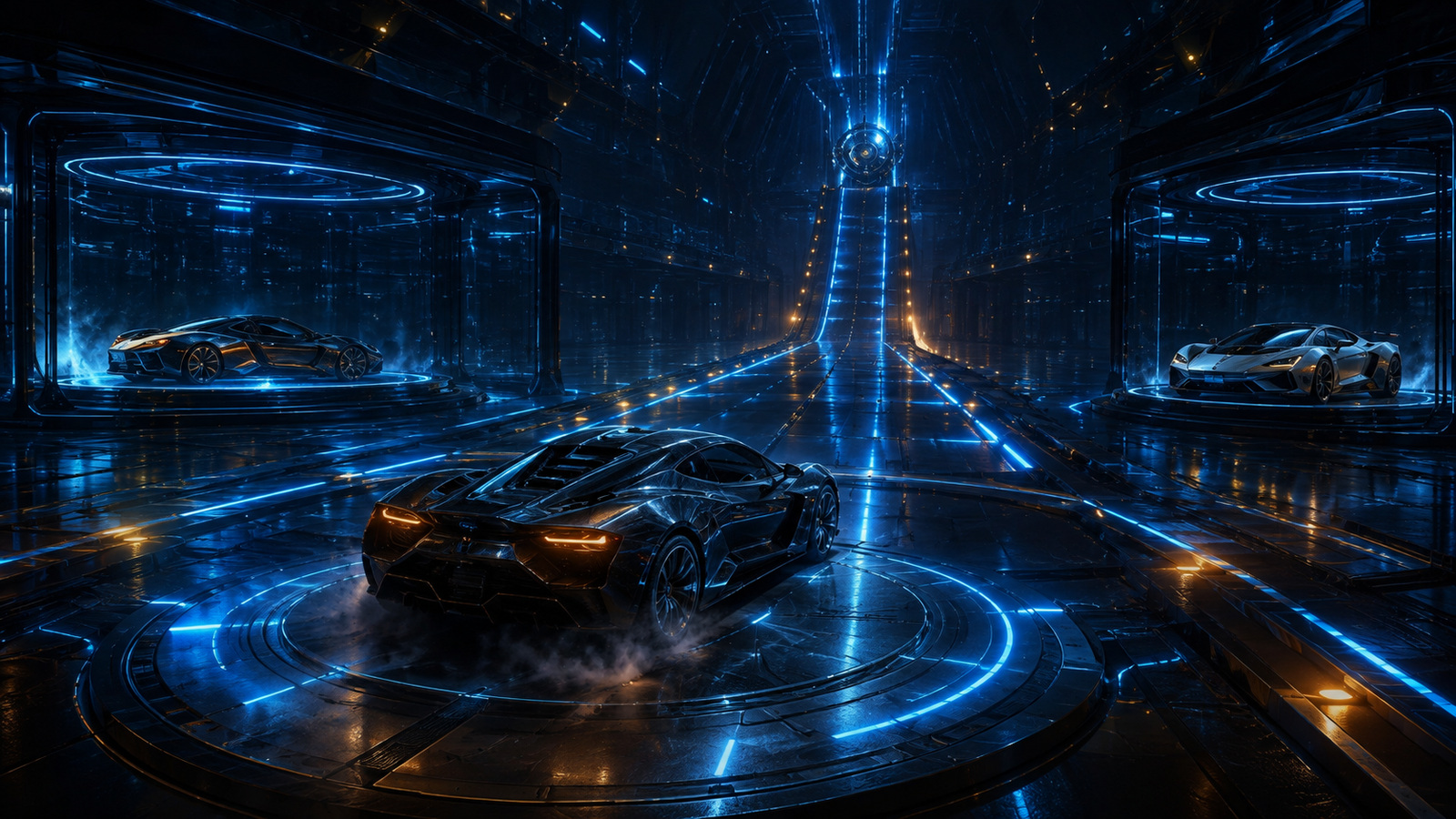
The legacy profile publishes a multiple-supercar claim without a roster or statistics. If the exact edition offers several cars, compare them on the same ramp using the same approach. Look for controllability and consistency rather than an unverified maximum-speed ranking.
The separate Extreme Car Stunt 3D profile and Monster Truck profile offer other driving themes. Their controls and physics should never fill missing Super Wheels details.
Keep stunt practice inside the game
Super Wheels presents impossible jumps and elevated tracks as entertainment. These techniques are not real-world driving instruction and should never be attempted on public roads or in actual vehicles. Virtual recovery has none of the physical risk of a real crash.
Before installing, confirm Amazon ASIN B0BTDJM34F, the publisher and compatible device. Once the exact edition is known, the practice cycle can be applied without broad platform assumptions.
Use several successful landings before calling an adjustment reliable. One clean result may come from a slightly different start or an accidental correction. Repetition shows whether the method can be reproduced with the same car, track and controls.
Super Wheels ramp-control questions
Is there one correct speed for every mega ramp?
No verified universal value is published. Build a repeatable approach in the exact edition, observe the landing and adjust one input at a time.
Should steering continue while the car is airborne?
Only if the installed edition visibly responds to that input. Test carefully; the public GameBee description does not confirm an airtime-control system.
Which Super Wheels car is best for stunt tracks?
No current first-party ranking or stat table establishes a best car. Compare visible choices on the same challenge and value repeatable control over one exceptional attempt.
Can these techniques be used in real driving?
No. They are an in-game practice method for fictional mega ramps and sky roads, not guidance for real vehicles, road safety or stunt activity.