

Racing faster in Racing Legends should begin with evidence from the exact build, not with a copied setup from another game. GameBee's live Racing Legends description confirms a street-car and drag-racing focus, but it does not publish a current tuning menu, upgrade tree or stat model. Any option named in this guide must first be visible in the edition a player is using.
The method is still practical: establish a baseline, classify the loss, change one available variable and repeat the same test. That process helps whether the build exposes detailed tuning, simple upgrades or only car selection. It also avoids promising a speed gain that the public evidence cannot support.
Confirm the edition before changing a setup
Check the publisher, title, device and current destination. A similarly named racing game may use different cars, physics and progression. If the edition does not expose tuning, do not interpret this guide as evidence that a hidden menu exists. Use the parts that match visible systems and ignore the rest.
The same rule applies to old screenshots and videos. They can illustrate a historical build, but only the installed edition can confirm current labels, values and availability. Record the build or update date when possible so later changes do not erase the context of a successful setup.
Establish a repeatable baseline run
Choose one event that can be replayed under comparable conditions. Use the same car, starting approach and control method. Complete several attempts without changing equipment. The goal is not an immediate record; it is a consistent reference that reveals where time or control is being lost.
Write down three observations: the start, the middle of the run and the finish. A poor launch, unstable steering and weak late acceleration are different problems. One result can be luck; a repeated pattern is a better reason to test a change.
Classify the error before buying an upgrade
Separate driver input from car capability. If the car leaves the line inconsistently, the starting routine may need work. If it reaches the same limit every attempt while input remains stable, a visible performance upgrade may be worth comparing. If the car loses control after a change, added speed may have exposed a handling problem.
This diagnosis protects resources. An upgrade can improve a displayed attribute without correcting a rushed start or repeated overcorrection. The current public material does not establish refund rules, currencies or upgrade costs, so review those details inside the edition before committing anything of value.
Change one visible variable at a time
If the build offers parts, tuning sliders or car attributes, select one change connected to the diagnosed problem. Keep every other controllable condition stable. Then repeat the baseline event enough times to see whether the result is reliable.
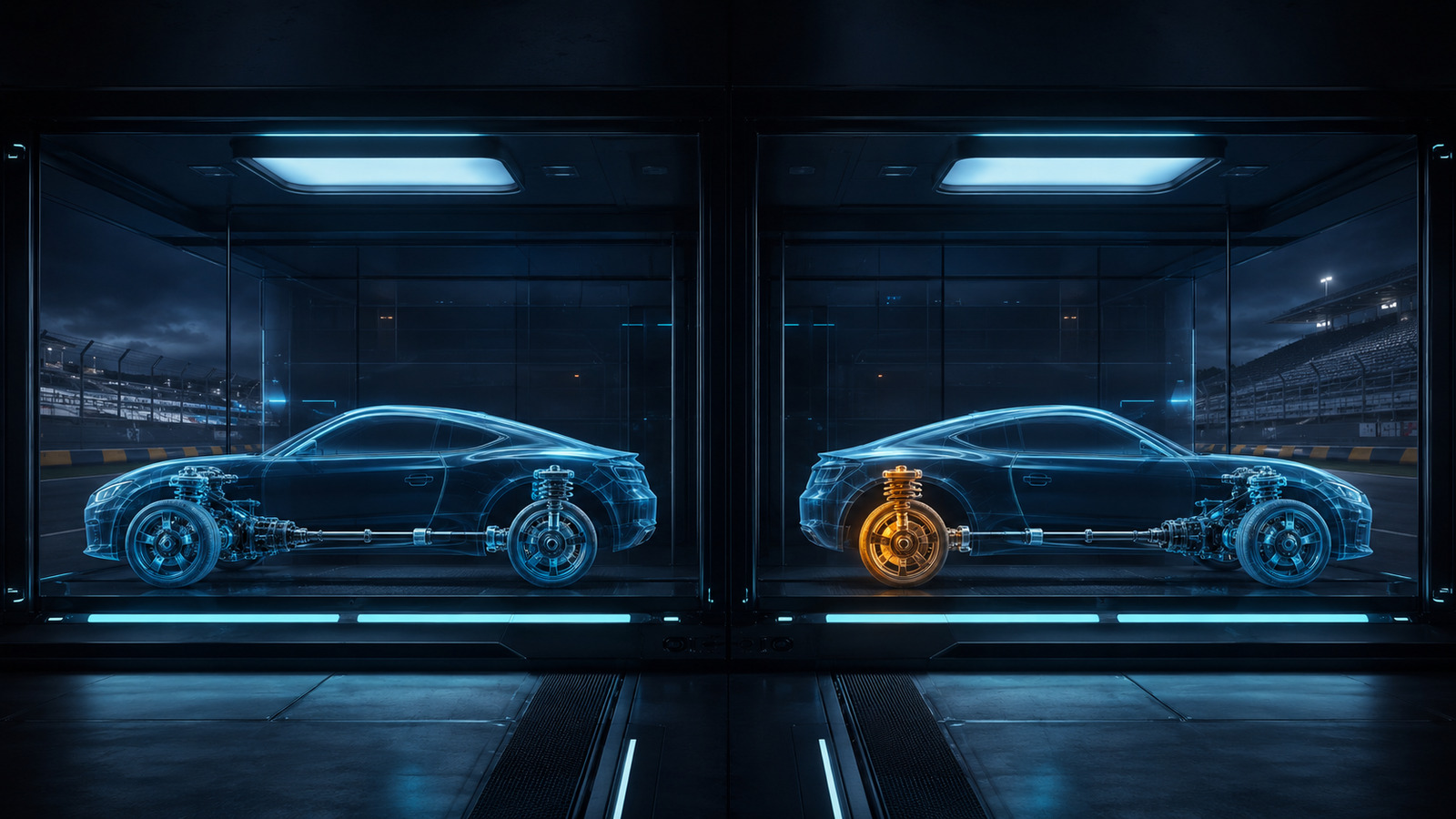
Multiple simultaneous changes can produce a faster run while hiding the cause. They can also create a setup that is quick once but difficult to control. A one-variable test makes it possible to keep, reverse or refine the decision with confidence.
Balance launch speed with usable control
Drag-racing positioning makes the opening phase important. A car that accelerates harder may still lose time if the player cannot apply that performance consistently. Use visible launch feedback, sound, movement and the result to build a repeatable start rather than chasing an unverified perfect-input formula.
When a setting appears to improve acceleration, test whether stability and recovery remain acceptable. The fastest theoretical setup is not always the fastest player-specific setup. Public sources do not publish the physics model, so the comparison must come from controlled attempts in the current build.
Treat handling as protection for speed
In any event that requires steering, speed has value only when the car stays on the intended line. If the edition exposes handling, grip, steering or suspension-related choices, connect them to a visible control problem instead of assuming that a maximum value is always best.
Make small adjustments and observe entry, correction and exit. A car that reacts too sharply may encourage repeated steering corrections; a car that reacts too slowly may miss the line. Use the language and values actually shown by the build, because the legacy description does not confirm specific tuning categories.
Use upgrades as a progression plan
Before spending, identify the next event or recurring weakness. Rank available changes by relevance, cost and reversibility. A cosmetic choice, a performance change and a new car serve different goals. Keeping those goals separate makes progression more deliberate.
After an upgrade, return to the baseline event before moving to a harder challenge. If the result improves, check consistency rather than one best attempt. If it does not, consider whether the diagnosis was wrong, the benefit is too small to observe or the player input changed during the test.
Practise drag starts without inventing controls
Use a simple three-part routine: prepare the input, watch the start cue and apply acceleration in the same way. The exact gesture, trigger or button belongs to the current edition. This guide does not claim a launch-control feature, manual gearbox or nitro system unless the build visibly presents one.
Review each start in terms of timing and stability. Change only one element on the next attempt. A repeatable routine creates a better foundation for later upgrades than random input followed by a purchase.
Verify offline conditions before planning practice
The legacy product wording positions GameBee racing offerings as including offline experiences, but it does not define Racing Legends mode by mode. Test whether the chosen event, progress saving and upgrade system work without connectivity before relying on an offline session.
If a connection is required for validation, rewards or purchases, complete those actions safely before disconnecting. Do not assume that an offline race implies an offline store, leaderboard or cloud save. Current edition evidence should replace broad legacy wording when available.
Compare a different racing goal when progress stalls
The live Master Racer overview provides a nearby legacy street-racing alternative, while Formula Racing: American Grand Prix presents a different precision-and-speed fantasy. Their existence does not prove shared tuning systems. They are useful when a player wants a different session, not as a source of borrowed settings.
If Racing Legends remains the right fit, return to the baseline and simplify. One car, one event and one change usually reveal more than a rapid sequence of purchases. The planned Racing hub and new sibling guides should be linked only after they are fully live.
A ten-run improvement protocol
Use the first three runs for a baseline, the fourth for one visible change and runs five through seven to test it. Use run eight to restore the old setup if possible, then compare. Runs nine and ten confirm the better choice under the same conditions. Stop if the event, car or build changes during the test.
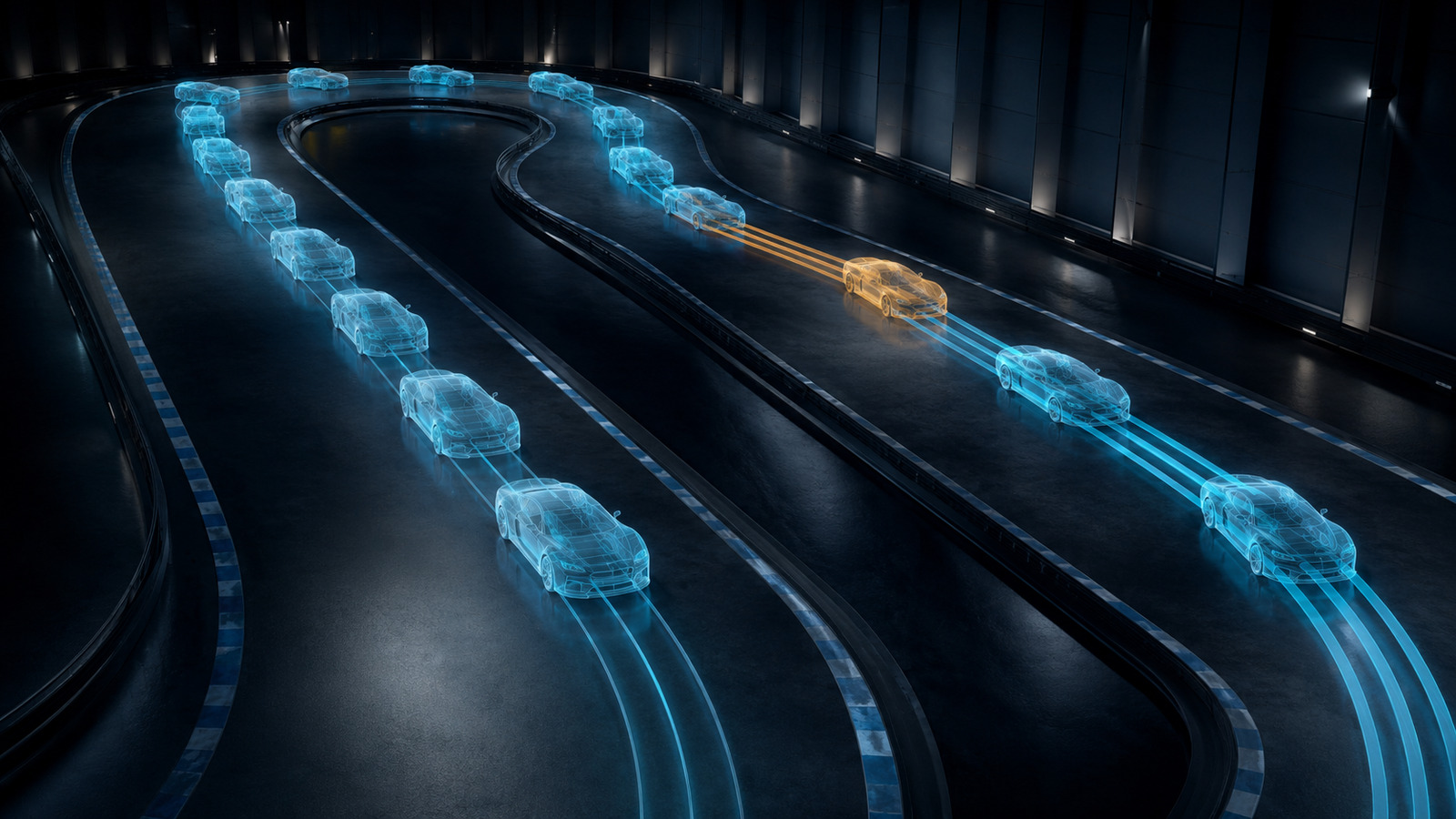
Record average consistency, not only the fastest attempt. A setup that produces one exceptional run and several failures may be less useful than a slightly slower but repeatable choice. The protocol measures a player-build combination; it does not establish a universal best tune.
Racing Legends tuning questions
Does Racing Legends definitely include detailed tuning?
The supplied legacy description does not publish a current tuning specification. Use this method only with settings, upgrades or car choices visible in the exact official edition. Do not infer hidden systems from the article title.
Which upgrade should be purchased first?
There is no evidence-backed universal answer. Identify a repeated limitation, compare the visible options and choose the smallest relevant change. Review the current cost and effect before spending.
How can a player tell whether an upgrade worked?
Repeat a comparable event with the same car and input routine. Change one variable, compare several attempts and value consistency over one unusually fast result. If conditions changed, the comparison is not reliable.
Can these tips be copied to Master Racer or Formula Racing?
The testing method can transfer, but individual settings, controls and upgrades cannot be assumed to match. Each GameBee title has its own product identity and current edition evidence.